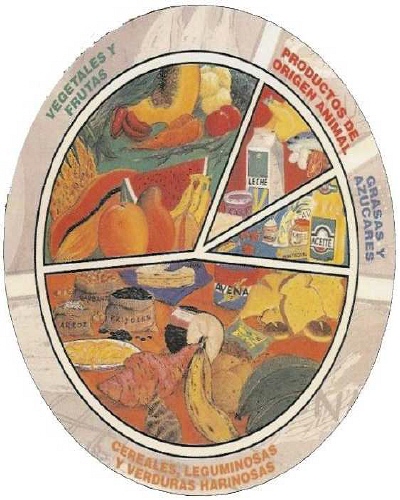
<?xml version="1.0" encoding="ISO-8859-1"?><article xmlns:mml="http://www.w3.org/1998/Math/MathML" xmlns:xlink="http://www.w3.org/1999/xlink" xmlns:xsi="http://www.w3.org/2001/XMLSchema-instance">
<front>
<journal-meta>
<journal-id>0004-0622</journal-id>
<journal-title><![CDATA[Archivos Latinoamericanos de Nutrición]]></journal-title>
<abbrev-journal-title><![CDATA[ALAN]]></abbrev-journal-title>
<issn>0004-0622</issn>
<publisher>
<publisher-name><![CDATA[Sociedad Latinoamericana de Nutrición]]></publisher-name>
</publisher>
</journal-meta>
<article-meta>
<article-id>S0004-06222004000400001</article-id>
<title-group>
<article-title xml:lang="es"><![CDATA[Armonización de las Recomendaciones Nutricionales para Mesoamérica: ¿Unificación regional o individualización nacional?]]></article-title>
</title-group>
<contrib-group>
<contrib contrib-type="author">
<name>
<surname><![CDATA[Solomons]]></surname>
<given-names><![CDATA[Noel W]]></given-names>
</name>
<xref ref-type="aff" rid="A01"/>
</contrib>
<contrib contrib-type="author">
<name>
<surname><![CDATA[Kaufer-Horwitz]]></surname>
<given-names><![CDATA[Martha]]></given-names>
</name>
</contrib>
<contrib contrib-type="author">
<name>
<surname><![CDATA[Bermúdez]]></surname>
<given-names><![CDATA[Odilia I.]]></given-names>
</name>
</contrib>
</contrib-group>
<aff id="A01">
<institution><![CDATA[,Centro de Estudios en Sensoriopatias  ]]></institution>
<addr-line><![CDATA[ Boston]]></addr-line>
<country>EUA</country>
</aff>
<pub-date pub-type="pub">
<day>00</day>
<month>12</month>
<year>2004</year>
</pub-date>
<pub-date pub-type="epub">
<day>00</day>
<month>12</month>
<year>2004</year>
</pub-date>
<volume>54</volume>
<numero>4</numero>
<fpage>363</fpage>
<lpage>373</lpage>
<copyright-statement/>
<copyright-year/>
<self-uri xlink:href="http://ve.scielo.org/scielo.php?script=sci_arttext&amp;pid=S0004-06222004000400001&amp;lng=en&amp;nrm=iso"></self-uri><self-uri xlink:href="http://ve.scielo.org/scielo.php?script=sci_abstract&amp;pid=S0004-06222004000400001&amp;lng=en&amp;nrm=iso"></self-uri><self-uri xlink:href="http://ve.scielo.org/scielo.php?script=sci_pdf&amp;pid=S0004-06222004000400001&amp;lng=en&amp;nrm=iso"></self-uri><abstract abstract-type="short" xml:lang="es"><p><![CDATA[Armonización de las recomendaciones de nutrimentos en Mesoamérica: ¿unificación o especificación regional?. Mesoamérica, el área de interés de este trabajo, es la sección de América Latina que se extiende desde México hasta Panamá. Las deliberaciones de comités internacionales constituyen las principales bases para el establecimiento de recomendaciones de nutrimentos. En menor grado, se han considerado las particularidades de biodisponibilidad de los distintos nutrimentos. Las recomendaciones de nutrimentos en la región son "relativamente" uniformes y consistentes con respecto al hierro, al yodo y a la mayoría de las vitaminas del complejo B. Pero existen discrepancias con las recomendaciones promulgadas para otros nutrimentos. . Una base válida para la armonización no sería la unificación de las recomendaciones a lo largo de Mesoamérica, sino la certeza de que la recomendación del nutrimento proporcionará su adecuada disponibilidad y/o llenará las reservas corporales de manera óptima para la supervivencia, el crecimiento, el bienestar y la función dentro del nicho ecológico de los grupos de población de la región. El hecho de que las recomendaciones de nutrimentos deben satisfacerse a partir de los alimentos, que sean accesibles y aceptables culturalmente y que se aproximen a las demandas paralelas de las recomendaciones basadas en alimentos, representa un reto adicional.]]></p></abstract>
<abstract abstract-type="short" xml:lang="en"><p><![CDATA[Harmonization for Mesoamerican Nutrient-Based Recommendations:Regional unification or national specification?. Mesoamerica, the area we focus for this paper, is a section of Latin America that extends from Central Mexico to Panama. The deliberations of international committees are the primary bases for their nutrient-based recommendations. To a smaller extent, the unique particularities of the bioavailability for one or another nutrient have been considered. The nutrient recommendations throughout the region are "relatively" uniform and mutually consistent with respect to: iron, iodine and most of the B-complex vitamins. Discrepancies exist among the various sets of recommendations for other nutrients. A valid basis of harmonization would not be unification of recommendations across all nationalities, but rather assuring a consistency in the nutrient profile that is recommended provides the nutrient exposures and/or fills the body's reserves as best suits the goals of survival, growth, well-being and function within the ecological niche of the population. That the recommendations for nutrients must be satisfied from foods, foods that are accessible and culturally acceptable, and that approximate the parallel demands of food-based dietary guidelines, add additional constraints onto the process of enunciating the former.]]></p></abstract>
<kwd-group>
<kwd lng="es"><![CDATA[Recomendaciones nutricionales]]></kwd>
<kwd lng="es"><![CDATA[ingesta dietética de referencia]]></kwd>
<kwd lng="es"><![CDATA[requerimientos]]></kwd>
<kwd lng="es"><![CDATA[Mesoamérica]]></kwd>
<kwd lng="es"><![CDATA[América Latina]]></kwd>
<kwd lng="en"><![CDATA[Nutrient recommendations]]></kwd>
<kwd lng="en"><![CDATA[dietary reference intakes]]></kwd>
<kwd lng="en"><![CDATA[recommended dietary allowances]]></kwd>
<kwd lng="en"><![CDATA[Mesoamerica]]></kwd>
<kwd lng="en"><![CDATA[Latin America]]></kwd>
</kwd-group>
</article-meta>
</front><body><![CDATA[   <B><FONT SIZE=4>    <P ALIGN="CENTER">Armonizaci&oacute;n de las Recomendaciones Nutricionales para Mesoam&eacute;rica: ¿Unificaci&oacute;n regional o individualizaci&oacute;n nacional?</P> </FONT> </B>    <P ALIGN="CENTER">Noel W. Solomons, Martha Kaufer-Horwitz and Odilia I. Berm&uacute;dez</P>     <P ALIGN="CENTER">Centro de Estudios en Sensoriopat&iacute;as, Senectud, Impedimentos y Alteraciones del Metabolismo<FONT COLOR="#ff0000"> </FONT>(CESSIAM), Guatemala, Guatemala,  Fundaci&oacute;n Mexicana para la Salud, Distrito Federal, M&eacute;xico y  Jean Mayer USDA Human  Nutrition Research Center on Aging, Boston, MA, EUA.</P> <B>    <P ALIGN="JUSTIFY">Resumen</P>     <P ALIGN="JUSTIFY">&nbsp;Armonizaci&oacute;n de las recomendaciones de nutrimentos en Mesoam&eacute;rica: ¿unificaci&oacute;n o especificaci&oacute;n regional?. </B>Mesoam&eacute;rica, el &aacute;rea de inter&eacute;s de este trabajo, es la secci&oacute;n de Am&eacute;rica Latina que se extiende desde M&eacute;xico hasta Panam&aacute;. Las deliberaciones de comit&eacute;s internacionales constituyen las principales bases para el establecimiento de recomendaciones de nutrimentos. En menor grado, se han considerado las particularidades de biodisponibilidad de los distintos nutrimentos. Las recomendaciones de nutrimentos en la regi&oacute;n son &quot;relativamente&quot; uniformes y consistentes con respecto al hierro, al yodo y a la mayor&iacute;a de las vitaminas del complejo B.  Pero existen discrepancias con las recomendaciones promulgadas para  otros nutrimentos.  . Una base v&aacute;lida para la armonizaci&oacute;n no ser&iacute;a la unificaci&oacute;n de las recomendaciones a lo largo de Mesoam&eacute;rica, sino la certeza de que la recomendaci&oacute;n del nutrimento proporcionar&aacute; su adecuada disponibilidad y/o llenar&aacute; las reservas corporales de manera &oacute;ptima para la supervivencia, el crecimiento, el bienestar y la funci&oacute;n dentro del nicho ecol&oacute;gico de los grupos de poblaci&oacute;n de la regi&oacute;n. El hecho de que las recomendaciones de nutrimentos deben satisfacerse a partir de los alimentos, que sean accesibles y aceptables culturalmente y que se aproximen a las demandas paralelas de las recomendaciones basadas en alimentos, representa un reto adicional.</P> <B>    <P ALIGN="JUSTIFY">Palabras clave:</B> Recomendaciones nutricionales, ingesta diet&eacute;tica de referencia, requerimientos, Mesoam&eacute;rica, Am&eacute;rica Latina.</P>     <P ALIGN="JUSTIFY"><B>SUMMARY</P>     <P ALIGN="JUSTIFY">Harmonization for Mesoamerican Nutrient-Based Recommendations:Regional unification or national specification?. </B>Mesoamerica, the area we focus for this paper, is a section of Latin America that extends from Central Mexico to Panama. The deliberations of international committees are the primary bases for their nutrient-based recommendations.  To a smaller extent, the unique particularities of the bioavailability for one or another nutrient have been considered. The nutrient recommendations throughout the region are "relatively" uniform and mutually consistent with respect to: iron, iodine and most of the B-complex vitamins.  Discrepancies exist among the various sets of recommendations for other nutrients.  A valid basis of harmonization would not be unification of recommendations across all nationalities, but rather assuring a consistency in the nutrient profile that is recommended provides the nutrient exposures and/or fills the body's reserves as best suits the goals of survival, growth, well-being and function within the ecological niche of the population. That the recommendations for nutrients must be satisfied from foods, foods that are accessible and culturally acceptable, and that approximate the parallel demands of food-based dietary guidelines, add additional constraints onto the process of enunciating the former. </P> <B>    <P ALIGN="JUSTIFY">Key words:</B> Nutrient recommendations, dietary reference intakes, recommended dietary allowances, Mesoamerica, Latin America.</P>     ]]></body>
<body><![CDATA[<P ALIGN="JUSTIFY"><b>Recibido:</b> 07-07-2003&nbsp; <b>Aceptado: </b> 07-12-2004</P> <B>     <P ALIGN="justify">INTRODUCCION&nbsp;</P> </B>    <P ALIGN="JUSTIFY">Am&eacute;rica Latina est&aacute; constitu&iacute;da por 19 pa&iacute;ses y un territorio (Puerto Rico) que tienen v&iacute;nculos culturales y ling&uuml;&iacute;sticos con la pen&iacute;nsula ib&eacute;rica (Espa&ntilde;a y Portugal). Su territorio se extiende desde el R&iacute;o Bravo y el Mar Caribe hasta la punta m&aacute;s al sur de Am&eacute;rica del Sur (Tierra del Fuego). Incluye alrededor de 184 millones de habitantes de habla portuguesa residentes en Brasil y de 304 millones de habitantes de habla hispana en el resto de los pa&iacute;ses y tiene un crecimiento anual de 1.7%. Esta es la extensi&oacute;n de la poblaci&oacute;n que debe cumplir con recomendaciones de ingesta diaria de nutrimentos para asegurar un estado nutricional adecuado para la regi&oacute;n. De la poblaci&oacute;n general de Am&eacute;rica Latina, aproximadamente 140 millones de individuos viven en la regi&oacute;n mesoamericana (1).<SUP> </P> </SUP>     <P ALIGN="JUSTIFY">En este trabajo, hemos dirigido nuestra atenci&oacute;n a las propuestas de recomendaciones basadas en nutrimentos para la poblaci&oacute;n mesoamericana, a los esfuerzos que se han hecho en este terreno y a los lineamientos que se han diseminado. Hemos aprovechado la diversidad ecol&oacute;gica y &eacute;tnica de la regi&oacute;n mesoamericana para ilustrar algunas consideraciones te&oacute;ricas relativas a la conveniencia de establecer recomendaciones nutricionales para toda la regi&oacute;n, colocando el t&eacute;rmino &quot;armonizaci&oacute;n&quot; en el contexto de diversidad m&aacute;s que de unidad. Por &uacute;ltimo, reconocemos que el aspecto de las &quot;recomendaciones basadas en nutrimentos&quot; es solamente parte del paradigma actual para proporcionar recomendaciones a la poblaci&oacute;n, ya que &eacute;stas se han complementado en tiempos recientes con &quot;gu&iacute;as alimentarias basadas en alimentos&quot; y con &iacute;conos de grupos de alimentos.  En este an&aacute;lisis, no podemos ignorar los conflictos o sinergias que puedan existir entre los primeros conceptos y los &uacute;ltimos, especialmente cuando se trata de preservar la cultura alimentaria tradicional de la herencia mesoamericana en un mundo globalizado.&nbsp; </P>     <P ALIGN="JUSTIFY">La armonizaci&oacute;n y el proceso de la generaci&oacute;n de recomendaciones basadas en nutrimentos para Am&eacute;rica Latina</P>     <P ALIGN="JUSTIFY">La Fundaci&oacute;n Cavendes en Venezuela fue pionera en la promulgaci&oacute;n de una gu&iacute;a unificada de recomendaciones nutricionales para toda la regi&oacute;n latinoamericana, incluyendo a Mesoam&eacute;rica. Las deliberaciones de este grupo, encabezado por Jos&eacute; Mar&iacute;a Bengoa, se publicaron en 1989 (2).  Como concesi&oacute;n pr&aacute;ctica a la noci&oacute;n de que &quot;comemos alimentos, no nutrimentos&quot; (2), este panel asever&oacute; que, al menos en la regi&oacute;n de Am&eacute;rica Latina, el patr&oacute;n de alimentaci&oacute;n familiar era a&uacute;n v&aacute;lido. Ellos argumentaban que las familias no alimentaban de manera distinta o diferencial a los miembros de la familia; excepto en la infancia. Por ende, dado que &quot;toda la familia come del mismo plato&quot;, un enfoque para asegurar que todos los miembros del hogar cubrieran simult&aacute;neamente sus requerimientos nutricionales ser&iacute;a hacer que el consumo de nutrimentos del hogar sirviera a todos sus miembros.</P>     <P ALIGN="JUSTIFY">Esto se basa en la hip&oacute;tesis de que, con la excepci&oacute;n de infantes, reci&eacute;n destetados y mujeres en etapa de lactancia, los hogares latinoamericanos tendr&iacute;an una recomendaci&oacute;n alimentaria com&uacute;n<B> </B>para toda la familia. Esto necesariamente conduce a la tabulaci&oacute;n de las densidades cr&iacute;ticas que deber&iacute;an tener las dietas familiares (<a href="#TABLA 1">Tabla 1</a>).<B> </B>As&iacute;, no basaron sus recomendaciones para micronutrimentos en cantidades diarias, sino en densidad<B> </B>energ&eacute;tica<B> </B>(mg &oacute; <FONT FACE=Symbol>&#109;</FONT> g por unidades de energ&iacute;a dietaria mixta).  El supuesto fue que cualquiera que consumiera sus necesidades de energ&iacute;a autom&aacute;ticamente alcanzar&iacute;a las recomendaciones para otros nutrimentos, siempre y cuando la dieta fuera<FONT COLOR="#ff0000"> </FONT>lo suficientemente variada. Sin embargo, las recomendaciones finales ten&iacute;an algunas incongruencias importantes. En el caso del zinc, por ejemplo, la densidad requerida para satisfacer las necesidades de un ni&ntilde;o en edad escolar era de 10 mg/1000 kcal (4.18 MJ) si la biodisponibilidad del zinc en la dieta era baja.  Sin embargo, con esta densidad como recomendaci&oacute;n, un hombre adulto que consumiera 3000 kcal/d&iacute;a (12.54 MJ), consumir&iacute;a cantidades elevadas del nutrimento (30 mg), y una familia de siete integrantes distribuidos en tres generaciones podr&iacute;a consumir un total de 160 mg de zinc con las 16,000 kcal (66.88MJ) en  su raci&oacute;n diaria de alimentos. Pueden observarse consecuencias similares para otros nutrimentos como el yodo. De hecho, podemos contribuir con este esquema de pensamiento para los nutricionistas latinoamericanos convocados por la Fundaci&oacute;n Cavendes, ya que los supuestos b&aacute;sicos pueden, de hecho ser ciertos. Lo que tambi&eacute;n es cierto, es que las entidades m&aacute;s prominentes en la formulaci&oacute;n de recomendaciones basadas en nutrimentos, es decir las agencias de las Naciones Unidas (OMS, FAO y UNU) y el Instituto de Medicina de los Estados Unidos en colaboraci&oacute;n con el gobierno de Canad&aacute; (3),  han desestimado el enfoque basado en densidad energ&eacute;tica. Bajo sus supuestos, las diferentes generaciones comen –y deben comer- de manera distinta en una misma mesa.  </P>     <P ALIGN="CENTER"><b><a name="TABLA 1">TABLA 1</a></b></P>     <P ALIGN="CENTER">Expresi&oacute;n de densidad de nutrimentos para un ni&ntilde;o y un adulto seg&uacute;n el informe de la Fundaci&oacute;n Cavendes.<SUP>1 </SUP> </P>     <CENTER>     ]]></body>
<body><![CDATA[<div align="center">       <center><TABLE BORDER="1" CELLSPACING=1 CELLPADDING=4 WIDTH=448 height="262"> <TR><TD WIDTH="83" VALIGN="TOP" height="56"> <FONT SIZE=2>    <P ALIGN="JUSTIFY"><b>Nutrimento</b></FONT></TD> <TD WIDTH="125" VALIGN="TOP" height="56"> <FONT SIZE=2>     <P ALIGN="justify"><b>Densidad</b></FONT> <b> <FONT SIZE=2> nutricional cr&iacute;tica</FONT></b> <b> <FONT SIZE=2> (Por 1000kcal)</FONT></b></P> </TD> <TD WIDTH="86" VALIGN="TOP" height="56"> <FONT SIZE=2>     <P ALIGN="justify"><b>Ni&ntilde;o de 2 a&ntilde;os</b></FONT> <b> <FONT SIZE=2> Req=1200 kcal</FONT></b></P> </TD> <TD WIDTH="102" VALIGN="TOP" height="56"> <FONT SIZE=2>     <P ALIGN="justify"><b>Trabajador adulto</b></FONT> <b> <FONT SIZE=2> Req=3000 kcal</FONT></b></P> </TD> </TR> <TR><TD WIDTH="83" VALIGN="TOP" height="15"> <FONT SIZE=2>    <P ALIGN="JUSTIFY">Vitamina  A, RE&#9;</FONT></TD> <TD WIDTH="125" VALIGN="TOP" align="center" height="15"> <FONT SIZE=2>    <P ALIGN="CENTER">300</FONT></TD> <TD WIDTH="86" VALIGN="TOP" align="center" height="15"> <FONT SIZE=2>    <P ALIGN="CENTER">360</FONT></TD> <TD WIDTH="102" VALIGN="TOP" align="center" height="15"> <FONT SIZE=2>    <P ALIGN="CENTER">900</FONT></TD> </TR> <TR><TD WIDTH="83" VALIGN="TOP" height="16"> <FONT SIZE=2>    ]]></body>
<body><![CDATA[<P ALIGN="JUSTIFY">Folato, <FONT FACE=Symbol>&#109;</FONT> g</FONT></TD> <TD WIDTH="125" VALIGN="TOP" height="16"> <FONT SIZE=2>    <P ALIGN="CENTER">80</FONT></TD> <TD WIDTH="86" VALIGN="TOP" height="16" align="center"> <FONT SIZE=2>    <P ALIGN="CENTER">96</FONT></TD> <TD WIDTH="102" VALIGN="TOP" height="16"> <FONT SIZE=2>    <P ALIGN="CENTER">240</FONT></TD> </TR> <TR><TD WIDTH="83" VALIGN="TOP" height="15"> <FONT SIZE=2>    <P ALIGN="JUSTIFY">Vitamina  C, mg&#9;</FONT></TD> <TD WIDTH="125" VALIGN="TOP" height="15"> <FONT SIZE=2>    <P ALIGN="CENTER">25</FONT></TD> <TD WIDTH="86" VALIGN="TOP" height="15" align="center"> <FONT SIZE=2>    <P ALIGN="CENTER">30</FONT></TD> <TD WIDTH="102" VALIGN="TOP" height="15"> <FONT SIZE=2>    <P ALIGN="CENTER">75</FONT></TD> </TR> <TR><TD WIDTH="83" VALIGN="TOP" height="15"> <FONT SIZE=2>    <P ALIGN="JUSTIFY">Calcio, mg</FONT></TD> <TD WIDTH="125" VALIGN="TOP" height="15"> <FONT SIZE=2>    <P ALIGN="CENTER">400</FONT></TD> <TD WIDTH="86" VALIGN="TOP" height="15" align="center"> <FONT SIZE=2>    ]]></body>
<body><![CDATA[<P ALIGN="CENTER">480</FONT></TD> <TD WIDTH="102" VALIGN="TOP" height="15"> <FONT SIZE=2>    <P ALIGN="CENTER">1200</FONT></TD> </TR> <TR><TD WIDTH="83" VALIGN="TOP" height="15"> <FONT SIZE=2>    <P ALIGN="JUSTIFY">Hierro, mg</FONT></TD> <TD WIDTH="125" VALIGN="TOP" height="15"> <FONT SIZE=2>    <P ALIGN="CENTER">14</FONT></TD> <TD WIDTH="86" VALIGN="TOP" height="15" align="center"> <FONT SIZE=2>    <P ALIGN="CENTER">16.8</FONT></TD> <TD WIDTH="102" VALIGN="TOP" height="15"> <FONT SIZE=2>    <P ALIGN="CENTER">42</FONT></TD> </TR> <TR><TD WIDTH="83" VALIGN="TOP" height="18"> <FONT SIZE=2>    <P ALIGN="JUSTIFY">Zinc<SUP>2</SUP>, mg</FONT></TD> <TD WIDTH="125" VALIGN="TOP" height="18"> <FONT SIZE=2>    <P ALIGN="CENTER">10</FONT></TD> <TD WIDTH="86" VALIGN="TOP" height="18" align="center"> <FONT SIZE=2>    <P ALIGN="CENTER">12</FONT></TD> <TD WIDTH="102" VALIGN="TOP" height="18"> <FONT SIZE=2>    <P ALIGN="CENTER">30</FONT></TD> </TR> <TR><TD WIDTH="83" VALIGN="TOP" height="16"> <FONT SIZE=2>    ]]></body>
<body><![CDATA[<P ALIGN="JUSTIFY">Yodo, <FONT FACE=Symbol>&#109;</FONT> g</FONT></TD> <TD WIDTH="125" VALIGN="TOP" height="16"> <FONT SIZE=2>    <P ALIGN="CENTER">100 – 200</FONT></TD> <TD WIDTH="86" VALIGN="TOP" height="16" align="center"> <FONT SIZE=2>    <P ALIGN="CENTER">240</FONT></TD> <TD WIDTH="102" VALIGN="TOP" height="16"> <FONT SIZE=2>    <P ALIGN="CENTER">600</FONT></TD> </TR> </TABLE>   </center> </div> </CENTER>  <DIR> <DIR> <DIR>  <SUP>    <P ALIGN="JUSTIFY"><font size="3">1</font></SUP><font size="3">Bengoa J, Tor&uacute;n B, Behar M, Scrimshaw N, 1987.</font></P> <SUP>    <P ALIGN="JUSTIFY"><font size="3">2</font></SUP><font size="3">La recomendaci&oacute;n de zinc es para dieta de baja biodisponibilidad.</font></P> </DIR> </DIR> </DIR>  <B>    <P ALIGN="JUSTIFY">Propuestas internacionales de recomendaciones basadas en nutrimentos</P> </B>    <P ALIGN="JUSTIFY">Debido a que las recomendaciones emanadas de la Consultar&iacute;a de Cavendes no trascendi&oacute; en la regi&oacute;n, los procesos internacionales que hab&iacute;an iniciado con anterioridad en los Estados Unidos, Canad&aacute; y en las agencias de las Naciones Unidas, mantuvieron una importante influencia en la regi&oacute;n, incluida Mesoam&eacute;rica.</P>     <P ALIGN="JUSTIFY">La &uacute;ltima ocasi&oacute;n en el que las agencias de las Naciones Unidas se combinaron para enunciar recomendaciones basadas en los requerimientos de prote&iacute;na y energ&iacute;a fue en 1985 (4). James and Schofield (5) convirtieron el informe FAO/OMS/UNU (4) de 1985 en un manual para planificadores y nutricionistas.</P>     <P ALIGN="JUSTIFY">En 1998 se reuni&oacute; en Bangkok un Comit&eacute; Mixto FAO/OMS de Expertos para una consulta sobre Requerimientos Humanos de Vitaminas y Minerales con el fin de complementar la informaci&oacute;n de las consultas anteriores, como un primer paso hacia la actualizaci&oacute;n del manual sobre Requerimientos Nutricionales Humanos de 1994 (6). Las recomendaciones emanadas en este informe preliminar se consideraron provisionales y el informe final se liber&oacute; en el a&ntilde;o 2001 (7).</P> <B>     ]]></body>
<body><![CDATA[<P ALIGN="JUSTIFY">Ingestas diet&eacute;ticas de referencia para Estados Unidos y Canad&aacute;</P> </B>    <P ALIGN="JUSTIFY">En 1938, el Consejo Canadiense de Nutrici&oacute;n emiti&oacute; los primeros est&aacute;ndares diet&eacute;ticos. Sin embargo, al poco tiempo, el Consejo recomend&oacute; la adopci&oacute;n de las Recomendaciones Diet&eacute;ticas Diarias de Estados Unidos emitidas en 1941 (RDA, por sus siglas en ingl&eacute;s) para la poblaci&oacute;n canadiense. Para el a&ntilde;o de 1945, se hicieron evidentes las diferencias conceptuales en el enfoque de las recomendaciones canadienses de nutrimentos (RNI, por sus siglas en ingl&eacute;s) y de las recomendaciones estadounidenses (RDAs). Las versiones &uacute;ltimas de las RNIs canadienses y las RDAs estadounidenses no variaban en las derivaciones de las ingestas recomendadas, aunque a&uacute;n persist&iacute;an algunas diferencias en la manera como se describ&iacute;an los usos de ambas (3).<SUP> </P> </SUP>     <P ALIGN="JUSTIFY">Por otro lado, las RDAs de Estados Unidos se publicaron originalmente en 1941 con el prop&oacute;sito de &quot;proporcionar est&aacute;ndares que sirvieran como una meta para la buena nutrici&oacute;n&quot; y su aplicaci&oacute;n original fue como &quot;una gu&iacute;a para aconsejar en lo referente a problemas de nutrici&oacute;n con prop&oacute;sitos de defensa nacional&quot; (8). Las RDAs, cuya ultima actualizaci&oacute;n se emiti&oacute; en 1989<SUP> </SUP>(9), han servido tambi&eacute;n para otros prop&oacute;sitos; entre ellos, para planificar y procurar abasto alimentario para subgrupos de poblaci&oacute;n, para interpretar registros de consumo de alimentos, para establecer est&aacute;ndares para programas de asistencia alimentaria, para evaluar la adecuaci&oacute;n del abasto de alimentos en la industria y para establecer lineamientos para el etiquetado de alimentos (3,8). </P>     <P ALIGN="JUSTIFY">Recientemente, estas dos naciones se unieron para crear un enfoque nuevo de los est&aacute;ndares diet&eacute;ticos de referencia que reemplazara las RDAs y las RNIs.<SUP> </SUP>El producto de esta colaboraci&oacute;n result&oacute; en la promulgaci&oacute;n de las Ingestas Diet&eacute;ticas de Referencia (en ingl&eacute;s: Dietary Reference Intakes (DRIs), para micro y macro nutrimentos, energ&iacute;a, agua y electrolitos, las que se han divulgado en una serie de seis reportes (9-14). Las diferencias entre las DRI y las RDAs &oacute; las RNIs son: &quot;(1) en los casos donde existen datos espec&iacute;ficos sobre seguridad y eficacia, la formulaci&oacute;n de la recomendaci&oacute;n considera la reducci&oacute;n en el riesgo de enfermedades cr&oacute;nicas degenerativas, en lugar de s&oacute;lo incluir la ausencia de la deficiencia, (2) los niveles superiores de consumo se establecen en los casos en los que existen datos referentes al riesgo de efectos adversos a la salud, y (3) los componentes de los alimentos que pueden no cumplir con el concepto tradicional de nutrimento pero que pueden tener un posible beneficio a la salud se revisar&aacute;n, y, ante la existencia de suficientes datos, se establecer&aacute;n recomendaciones de consumo&quot; (3). Las DRIs incluyen cuatro tipo de recomendaciones&quot; el Requerimiento Promedio Estimado (EAR, por sus siglas en ingl&eacute;s), las RDA, la Ingesta Adecuada (AI, por sus siglas en ingl&eacute;s), y el Nivel Superior Tolerable de<B> </B>Ingesta (UL, por sus siglas en ingl&eacute;s) (3) (<a href="#TABLA 2">Tabla 2</a>).</P>     <P ALIGN="CENTER"><b><a name="TABLA 2">TABLA 2</a></b></P>     <P ALIGN="CENTER">Definiciones de las DRI de Estados Unidos y Canad&aacute; (3)</P>     <div align="center">       <center> <TABLE BORDER="1" CELLSPACING=1 CELLPADDING=4 WIDTH=570> <TR><TD VALIGN="TOP" align="center">     <P ALIGN="JUSTIFY">Requerimiento Promedio Estimado (EAR, en ingl&eacute;s): nivel promedio de ingesta diaria de un nutrimento estimado para satisfacer el requerimiento de la mitad de los individuos sanos en una etapa particular de la vida, seg&uacute;n su sexo.</P>   </TD> </TR> <TR><TD VALIGN="TOP" align="center">     <P ALIGN="JUSTIFY">Recomendaciones Diet&eacute;ticas Diarias (RDA, en ingl&eacute;s): nivel promedio de ingesta diaria de un nutrimento suficiente para cubrir los requerimientos de cerca de todos  (97 a 98 porciento) los individuos sanos en una etapa particular de la vida,  seg&uacute;n su sexo.</P>   </TD> </TR> <TR><TD VALIGN="TOP" align="center">     ]]></body>
<body><![CDATA[<P ALIGN="JUSTIFY">Ingesta Adecuada (AI, en ingl&eacute;s): Se usa cuando, debido a la  falta de datos suficientes sobre beneficios y/o riesgos,  no es posible determinar el RDA. La AI es recomendaci&oacute;n diaria promedio para la ingesta de un nutrimento que se asume como adecuadas para un grupo (o grupos) de personas aparentemente sanas, basada solamente en  aproximaciones o estimaciones de ingesta determinadas observacional o experimentalmente. </P>   </TD> </TR> <TR><TD VALIGN="TOP" align="center">     <P ALIGN="JUSTIFY">Nivel Superior Tolerable (UL, en ingl&eacute;s): la m&aacute;xima ingesta diaria promedio de un nutrimento que no plantea el riesgo de efectos adversos a la salud en la mayor&iacute;a de los individuos de la poblaci&oacute;n general. A medida que la ingesta aumenta por arriba del UL, el riesgo potencial de efectos adversos aumenta.</P>   </TD> </TR> </TABLE>    </center> </div> <B>    <P ALIGN="JUSTIFY">An&aacute;lisis comparativo de las recomendaciones basadas en nutrimentos en la Regi&oacute;n Mesoamericana</P> </B>    <P ALIGN="JUSTIFY">Para la mayor&iacute;a de las seis rep&uacute;blicas de Am&eacute;rica Central, y de acuerdo con una consulta informal con colegas de instituciones acad&eacute;micas y gubernamentales del istmo, la referencia vigente para las recomendaciones diarias de nutrimentos (<a href="#TABLA 3">Tabla 3</a>) ha sido un documento publicado con motivo del 45<SUP>o </SUP>Aniversario del Instituto de Nutrici&oacute;n de Centro Am&eacute;rica y Panam&aacute; (INCAP) (15). Una excepci&oacute;n a lo anterior es el caso de Costa Rica que cuenta con un documento de Metas y Gu&iacute;as Nacionales donde se incluye un n&uacute;mero limitado de recomendaciones de ingesta de nutrimentos espec&iacute;ficos (vitamina A, calcio, hierro, yodo) combinado con algunos lineamientos para alcanzar una dieta saludable(16). En el caso de M&eacute;xico, las recomendaciones nutricionales emitidas en los a&ntilde;os noventa han sido revisadas y adoptadas como las nuevas recomendaciones oficiales de 2004, las que se encuentran en v&iacute;as de publicaci&oacute;n y que se dieron a conocer, en su versi&oacute;n preliminar, en noviembre de 2003 en el XIII Congreso Latinoamericano de Nutrici&oacute;n en Acapulco, M&eacute;xico (17).</P>     <P ALIGN="CENTER"><b><a name="TABLA 3">TABLA 3</a></b></P>     <P ALIGN="CENTER">Resumen de las categor&iacute;as de edad para las recomendaciones de nutrimentos de INCAP y M&eacute;xico</P>     <P ALIGN="justify">&nbsp;    <CENTER><TABLE BORDER="1" CELLSPACING=1 CELLPADDING=4 WIDTH=439> <TR><TD WIDTH="33%" VALIGN="TOP"> <FONT SIZE=2>    <P ALIGN="JUSTIFY"><b>Categor&iacute;as</b></FONT></TD> <TD WIDTH="20%" VALIGN="TOP"> <FONT SIZE=2>    <P ALIGN="justify"><b>INCAP</b></FONT></TD> <TD WIDTH="13%" VALIGN="TOP"> <FONT SIZE=2>    ]]></body>
<body><![CDATA[<P ALIGN="justify"><b>M&eacute;xico</b></FONT></TD> <TD WIDTH="34%" VALIGN="TOP" COLSPAN=3 rowspan="13">       <p ALIGN="justify">&nbsp;</p>       <p ALIGN="justify">&nbsp;</p>       <p ALIGN="justify">&nbsp;</p>       <p ALIGN="justify">&nbsp;</p>       <p ALIGN="justify">&nbsp;</p>       <p ALIGN="justify">&nbsp;</p>       <p ALIGN="justify">&nbsp;</p>       <p ALIGN="justify">&nbsp;</p>       <p ALIGN="justify">&nbsp;</p>       ]]></body>
<body><![CDATA[<p ALIGN="justify">&nbsp;</p>       <p ALIGN="justify">&nbsp;</p>       <p ALIGN="justify">&nbsp;</p>       <p ALIGN="justify">&nbsp;</p> </TD> </TR> <TR><TD WIDTH="33%" VALIGN="TOP"> <FONT SIZE=2>    <P ALIGN="JUSTIFY">Infantes (meses)</FONT></TD> <TD WIDTH="20%" VALIGN="TOP"> <FONT SIZE=2>    <P ALIGN="justify">0-2.9</FONT></TD> <TD WIDTH="13%" VALIGN="TOP"> <FONT SIZE=2>    <P ALIGN="justify">0-6</FONT></TD> </TR> <TR><TD WIDTH="33%" VALIGN="TOP" rowspan="2">         <p ALIGN="justify">&nbsp;</p>         <p ALIGN="justify">&nbsp;</p>   </TD> <TD WIDTH="20%" VALIGN="TOP"> <FONT SIZE=2>    <P ALIGN="justify">3-5.9</FONT></TD> <TD WIDTH="13%" VALIGN="TOP"> <FONT SIZE=2>    ]]></body>
<body><![CDATA[<P ALIGN="justify">7-12</FONT></TD> </TR> <TR> <TD WIDTH="20%" VALIGN="TOP"> <FONT SIZE=2>    <P ALIGN="justify">6-11.9</FONT></TD> <TD WIDTH="13%" VALIGN="TOP">       <p ALIGN="justify">&nbsp;</p> </TD> </TR> <TR><TD WIDTH="33%" VALIGN="TOP"> <FONT SIZE=2>    <P ALIGN="JUSTIFY">Ni&ntilde;os (a&ntilde;os)</FONT></TD> <TD WIDTH="20%" VALIGN="TOP"> <FONT SIZE=2>    <P ALIGN="justify">1-2.9</FONT></TD> <TD WIDTH="13%" VALIGN="TOP"> <FONT SIZE=2>    <P ALIGN="justify">1-3</FONT></TD> </TR> <TR><TD WIDTH="33%" VALIGN="TOP" rowspan="8">         <p ALIGN="justify">&nbsp;</p>         <p ALIGN="justify">&nbsp;</p>         <p ALIGN="justify">&nbsp;</p>         <p ALIGN="justify">&nbsp;</p>         ]]></body>
<body><![CDATA[<p ALIGN="justify">&nbsp;</p>         <p ALIGN="justify">&nbsp;</p>         <p ALIGN="justify">&nbsp;</p>         <p ALIGN="justify">&nbsp;</p>   </TD> <TD WIDTH="20%" VALIGN="TOP"> <FONT SIZE=2>    <P ALIGN="justify">3-6.9</FONT></TD> <TD WIDTH="13%" VALIGN="TOP"> <FONT SIZE=2>    <P ALIGN="justify">4-8</FONT></TD> </TR> <TR> <TD WIDTH="20%" VALIGN="TOP"> <FONT SIZE=2>    <P ALIGN="justify">7-9.9</FONT></TD> <TD WIDTH="13%" VALIGN="TOP">       <p ALIGN="justify">&nbsp;</p> </TD> </TR> <TR> <TD WIDTH="20%" VALIGN="TOP"> <FONT SIZE=2>    <P ALIGN="justify">10-11.9</FONT></TD> <TD WIDTH="13%" VALIGN="TOP">       <p ALIGN="justify">&nbsp;</p> </TD> </TR> <TR> <TD WIDTH="20%" VALIGN="TOP"> <FONT SIZE=2>    ]]></body>
<body><![CDATA[<P ALIGN="justify">12-13.9</FONT></TD> <TD WIDTH="13%" VALIGN="TOP">       <p ALIGN="justify">&nbsp;</p> </TD> </TR> <TR> <TD WIDTH="20%" VALIGN="TOP"> <FONT SIZE=2>    <P ALIGN="justify">14.17.9</FONT></TD> <TD WIDTH="13%" VALIGN="TOP">       <p ALIGN="justify">&nbsp;</p> </TD> </TR> <TR> <TD WIDTH="20%" VALIGN="TOP"> <FONT SIZE=2>    <P ALIGN="justify">Hombres</FONT></TD> <TD WIDTH="13%" VALIGN="TOP"> <FONT SIZE=2>    <P ALIGN="justify">Mujeres</FONT></TD> </TR> <TR> <TD WIDTH="20%" VALIGN="TOP"> <FONT SIZE=2>    <P ALIGN="justify">9-13</FONT></TD> <TD WIDTH="13%" VALIGN="TOP"> <FONT SIZE=2>    <P ALIGN="justify">9-13</FONT></TD> </TR> <TR> <TD WIDTH="20%" VALIGN="TOP"> <FONT SIZE=2>    <P ALIGN="justify">14-18</FONT></TD> <TD WIDTH="13%" VALIGN="TOP"> <FONT SIZE=2>    <P ALIGN="justify">14-18</FONT></TD> </TR> <TR><TD WIDTH="33%" VALIGN="TOP"> <FONT SIZE=2>    ]]></body>
<body><![CDATA[<P ALIGN="JUSTIFY">Adultos (a&ntilde;os)</FONT></TD> <TD WIDTH="20%" VALIGN="TOP"> <FONT SIZE=2>    <P ALIGN="justify">Hombres</FONT></TD> <TD WIDTH="13%" VALIGN="TOP"> <FONT SIZE=2>    <P ALIGN="justify">Mujeres</FONT></TD> <TD WIDTH="19%" VALIGN="TOP" COLSPAN=2> <FONT SIZE=2>    <P ALIGN="justify">Hombres</FONT></TD> <TD WIDTH="15%" VALIGN="TOP"> <FONT SIZE=2>    <P ALIGN="justify">Mujeres</FONT></TD> </TR> <TR><TD WIDTH="33%" VALIGN="TOP" rowspan="4">         <p ALIGN="justify">&nbsp;</p>         <p ALIGN="justify">&nbsp;</p>         <p ALIGN="justify">&nbsp;</p>         <p ALIGN="justify">&nbsp;</p>   </TD> <TD WIDTH="20%" VALIGN="TOP"> <FONT SIZE=2>    <P ALIGN="justify">19-30</FONT></TD> <TD WIDTH="13%" VALIGN="TOP"> <FONT SIZE=2>    ]]></body>
<body><![CDATA[<P ALIGN="justify">19-30</FONT></TD> <TD WIDTH="19%" VALIGN="TOP" COLSPAN=2> <FONT SIZE=2>    <P ALIGN="justify">18-64.9</FONT></TD> <TD WIDTH="15%" VALIGN="TOP"> <FONT SIZE=2>    <P ALIGN="justify">18-64.9</FONT></TD> </TR> <TR> <TD WIDTH="20%" VALIGN="TOP"> <FONT SIZE=2>    <P ALIGN="justify">31-50</FONT></TD> <TD WIDTH="13%" VALIGN="TOP"> <FONT SIZE=2>    <P ALIGN="justify">31-50</FONT></TD> <TD WIDTH="19%" VALIGN="TOP" COLSPAN=2> <FONT SIZE=2>    <P ALIGN="justify">65+</FONT></TD> <TD WIDTH="15%" VALIGN="TOP"> <FONT SIZE=2>    <P ALIGN="justify">65+</FONT></TD> </TR> <TR> <TD WIDTH="20%" VALIGN="TOP"> <FONT SIZE=2>    <P ALIGN="justify">51-70</FONT></TD> <TD WIDTH="13%" VALIGN="TOP"> <FONT SIZE=2>    <P ALIGN="justify">51-70</FONT></TD> <TD WIDTH="19%" VALIGN="TOP" COLSPAN=2 rowspan="2">       <p ALIGN="justify">&nbsp;</p>       ]]></body>
<body><![CDATA[<p ALIGN="justify">&nbsp;</p> </TD> <TD WIDTH="15%" VALIGN="TOP" rowspan="2">       <p ALIGN="justify">&nbsp;</p>       <p ALIGN="justify">&nbsp;</p> </TD> </TR> <TR> <TD WIDTH="20%" VALIGN="TOP"> <FONT SIZE=2>    <P ALIGN="CENTER">&gt;70</FONT></TD> <TD WIDTH="13%" VALIGN="TOP"> <FONT SIZE=2>    <P ALIGN="CENTER">&gt;70</FONT></TD> </TR> <TR><TD WIDTH="33%" VALIGN="TOP"> <FONT SIZE=2>    <P ALIGN="JUSTIFY">Embarazada</FONT></TD> </CENTER>  <TD WIDTH="37%" VALIGN="TOP" COLSPAN=3> <FONT SIZE=2>    <P ALIGN="left">&nbsp;&nbsp;&nbsp;&nbsp;&nbsp;&nbsp;&nbsp;&nbsp;&nbsp;&nbsp;&nbsp;&nbsp;&nbsp;&nbsp;&nbsp;&nbsp;&nbsp;&nbsp;&nbsp;&nbsp;&nbsp; S&iacute;</FONT></TD> <TD WIDTH="30%" VALIGN="TOP" COLSPAN=2 align="center"> <FONT SIZE=2>    <P ALIGN="left">&nbsp;&nbsp;&nbsp;&nbsp;&nbsp;&nbsp;&nbsp;&nbsp;&nbsp;&nbsp;&nbsp; S&iacute;</FONT></TD> </TR>     <CENTER> <TR><TD WIDTH="33%" VALIGN="TOP"> <FONT SIZE=2>    <P ALIGN="JUSTIFY">Lactante</FONT></TD> </CENTER>  <TD WIDTH="37%" VALIGN="TOP" COLSPAN=3> <FONT SIZE=2>    ]]></body>
<body><![CDATA[<P ALIGN="left">&nbsp;&nbsp;&nbsp;&nbsp;&nbsp;&nbsp;&nbsp;&nbsp;&nbsp;&nbsp;&nbsp;&nbsp;&nbsp;&nbsp;&nbsp;&nbsp;&nbsp;&nbsp;&nbsp;&nbsp;&nbsp; S&iacute;</FONT></TD> <TD WIDTH="30%" VALIGN="TOP" COLSPAN=2 align="center"> <FONT SIZE=2>    <P ALIGN="left">&nbsp;&nbsp;&nbsp;&nbsp;&nbsp;&nbsp;&nbsp;&nbsp;&nbsp;&nbsp;&nbsp; S&iacute;</FONT></TD> </TR> </TABLE>     <P ALIGN="JUSTIFY">Al comparar las recomendaciones nutricionales de INCAP con las de M&eacute;xico, observamos que los grupos de edad y sus intervalos difieren entre los dos grupos de recomendaciones (<a href="#TABLA 3">Tabla 3</a>).<B>  </B>INCAP presenta nueve grupos en el caso de los ni&ntilde;os, mientras que M&eacute;xico presenta seis pero los separa por sexo a partir de los 9 a&ntilde;os de edad. INCAP separa a los adultos por sexo y proporciona diferentes categor&iacute;as para los adultos j&oacute;venes (18 a 65 a&ntilde;os) y para los adultos mayores (m&aacute;s de 65 a&ntilde;os).  Por su parte M&eacute;xico opt&oacute; tambi&eacute;n por separar por sexo pero presenta 4 grupos de edad. Ambas regiones mantienen recomendaciones separadas para mujeres embarazadas y madres lactantes.&nbsp;</P>     <P ALIGN="JUSTIFY">En este an&aacute;lisis comparativo, hemos elegido las recomendaciones de micronutrimentos (9 vitaminas y 9 minerales) para varones de 25 a 50 a&ntilde;os con fines meramente ilustrativos (<a href="#TABLA 4">Tabla 4</a>),<B> </B>aunque tanto el INCAP como M&eacute;xico tienen recomendaciones para energ&iacute;a y prote&iacute;na. Adem&aacute;s, las recomendaciones mexicanas tambi&eacute;n incluyen otros nutrimentos como el cromo y la vitamina K. Para establecer paralelismos y discordancias con las recomendaciones internacionales inclu&iacute;mos en la <a href="#TABLA 4"> Tabla 4</a> las recomendaciones de EUA-Canad&aacute; y las de FAO-OMS.</P>     <P ALIGN="CENTER"><b><a name="TABLA 4">TABLA 4</a></b></P>     <P ALIGN="CENTER">Recomendaciones de Nutrimentos para INCAP, M&eacute;xico, EU-Canad&aacute;, y FAO/OMS para hombres de 25 a 50 a&ntilde;os de edad&nbsp;&nbsp;</P>     <P ALIGN="justify">    <CENTER><TABLE BORDER="1" CELLSPACING=1 CELLPADDING=4 WIDTH=377 height="442"> <TR><TD WIDTH="30%" VALIGN="TOP" height="52"> <FONT SIZE=2>    <P ALIGN="JUSTIFY"><b>Nutrimento</b></FONT></TD> <TD WIDTH="16%" VALIGN="TOP" height="52"> <FONT SIZE=2>    <P ALIGN="justify"><b>INCAP<SUP>1</SUP></b></FONT></TD> <TD WIDTH="16%" VALIGN="TOP" height="52"> <FONT SIZE=2>    ]]></body>
<body><![CDATA[<P ALIGN="justify"><b>M&eacute;xico<SUP>2</SUP></b></FONT></TD> <TD WIDTH="24%" VALIGN="TOP" height="52"> <FONT SIZE=2>    <P ALIGN="justify"><b>USA-Canada<SUP>3</SUP></b></FONT></TD> <TD WIDTH="14%" VALIGN="TOP" height="52"> <FONT SIZE=2>    <P ALIGN="justify"><b>FAO/</b></P>     <P ALIGN="justify"><b>WHO<SUP>4</SUP></b></FONT></TD> </TR> <TR><TD WIDTH="30%" VALIGN="TOP" height="16"> <FONT FACE="Courier" SIZE=2>    <P ALIGN="JUSTIFY">Vitaminas</FONT></TD> <TD WIDTH="70%" VALIGN="TOP" colspan="4" height="16">       <p ALIGN="justify"></p> </TD> </TR> <TR><TD WIDTH="30%" VALIGN="TOP" height="31"> <FONT SIZE=2>    <P ALIGN="JUSTIFY">Vitamina A, <FONT FACE=Symbol>&#109;</FONT> g RE</FONT></TD> <TD WIDTH="16%" VALIGN="TOP" height="31"> <FONT SIZE=2>    <P ALIGN="justify">600</FONT></TD> <TD WIDTH="16%" VALIGN="TOP" height="31"> <FONT SIZE=2>    <P ALIGN="justify">730</FONT></TD> <TD WIDTH="24%" VALIGN="TOP" height="31"> <FONT SIZE=2>    <P ALIGN="justify">900</FONT></TD> <TD WIDTH="14%" VALIGN="TOP" height="31"> <FONT SIZE=2>    ]]></body>
<body><![CDATA[<P ALIGN="justify">600</FONT></TD> </TR> <TR><TD WIDTH="30%" VALIGN="TOP" height="15"> <FONT SIZE=2>    <P ALIGN="JUSTIFY">Tiamina, mg</FONT></TD> <TD WIDTH="16%" VALIGN="TOP" height="15"> <FONT SIZE=2>    <P ALIGN="justify">1.2</FONT></TD> <TD WIDTH="16%" VALIGN="TOP" height="15"> <FONT SIZE=2>    <P ALIGN="justify">1.0</FONT></TD> <TD WIDTH="24%" VALIGN="TOP" height="15"> <FONT SIZE=2>    <P ALIGN="justify">1.2</FONT></TD> <TD WIDTH="14%" VALIGN="TOP" height="15"> <FONT SIZE=2>    <P ALIGN="justify">1.2</FONT></TD> </TR> <TR><TD WIDTH="30%" VALIGN="TOP" height="15"> <FONT SIZE=2>    <P ALIGN="JUSTIFY">Riboflavina, mg</FONT></TD> <TD WIDTH="16%" VALIGN="TOP" height="15"> <FONT SIZE=2>    <P ALIGN="justify">1.5</FONT></TD> <TD WIDTH="16%" VALIGN="TOP" height="15"> <FONT SIZE=2>    <P ALIGN="justify">1.1</FONT></TD> <TD WIDTH="24%" VALIGN="TOP" height="15"> <FONT SIZE=2>    <P ALIGN="justify">1.3</FONT></TD> <TD WIDTH="14%" VALIGN="TOP" height="15"> <FONT SIZE=2>    ]]></body>
<body><![CDATA[<P ALIGN="justify">1.3</FONT></TD> </TR> <TR><TD WIDTH="30%" VALIGN="TOP" height="15"> <FONT SIZE=2>    <P ALIGN="JUSTIFY">Niacina, NE</FONT></TD> <TD WIDTH="16%" VALIGN="TOP" height="15"> <FONT SIZE=2>    <P ALIGN="justify">20 NE</FONT></TD> <TD WIDTH="16%" VALIGN="TOP" height="15"> <FONT SIZE=2>    <P ALIGN="justify">13 NE</FONT></TD> <TD WIDTH="24%" VALIGN="TOP" height="15"> <FONT SIZE=2>    <P ALIGN="justify">16 NE</FONT></TD> <TD WIDTH="14%" VALIGN="TOP" height="15"> <FONT SIZE=2>    <P ALIGN="justify">16 NE</FONT></TD> </TR> <TR><TD WIDTH="30%" VALIGN="TOP" height="19"> <FONT SIZE=2>    <P ALIGN="JUSTIFY">Vitamina B<SUB>6</SUB>, mg</FONT></TD> <TD WIDTH="16%" VALIGN="TOP" height="19"> <FONT SIZE=2>    <P ALIGN="justify">1.4</FONT></TD> <TD WIDTH="16%" VALIGN="TOP" height="19"> <FONT SIZE=2>    <P ALIGN="justify">1.1</FONT></TD> <TD WIDTH="24%" VALIGN="TOP" height="19"> <FONT SIZE=2>    <P ALIGN="justify">1.3</FONT></TD> <TD WIDTH="14%" VALIGN="TOP" height="19"> <FONT SIZE=2>    ]]></body>
<body><![CDATA[<P ALIGN="justify">1.53</FONT></TD> </TR> <TR><TD WIDTH="30%" VALIGN="TOP" height="16"> <FONT SIZE=2>    <P ALIGN="JUSTIFY">Folato, <FONT FACE=Symbol>&#109;</FONT> g</FONT></TD> <TD WIDTH="16%" VALIGN="TOP" height="16"> <FONT SIZE=2>    <P ALIGN="justify">200</FONT></TD> <TD WIDTH="16%" VALIGN="TOP" height="16"> <FONT SIZE=2>    <P ALIGN="justify">460</FONT></TD> <TD WIDTH="24%" VALIGN="TOP" height="16"> <FONT SIZE=2>    <P ALIGN="justify">400</FONT></TD> <TD WIDTH="14%" VALIGN="TOP" height="16"> <FONT SIZE=2>    <P ALIGN="justify">400</FONT></TD> </TR> <TR><TD WIDTH="30%" VALIGN="TOP" height="20"> <FONT SIZE=2>    <P ALIGN="JUSTIFY">Vitamina B<SUB>12</SUB>, <FONT FACE=Symbol>&#109;</FONT> g</FONT></TD> <TD WIDTH="16%" VALIGN="TOP" height="20"> <FONT SIZE=2>    <P ALIGN="justify">1.0</FONT></TD> <TD WIDTH="16%" VALIGN="TOP" height="20"> <FONT SIZE=2>    <P ALIGN="justify">2.4</FONT></TD> <TD WIDTH="24%" VALIGN="TOP" height="20"> <FONT SIZE=2>    <P ALIGN="justify">2.4</FONT></TD> <TD WIDTH="14%" VALIGN="TOP" height="20"> <FONT SIZE=2>    ]]></body>
<body><![CDATA[<P ALIGN="justify">2.4</FONT></TD> </TR> <TR><TD WIDTH="30%" VALIGN="TOP" height="15"> <FONT SIZE=2>    <P ALIGN="JUSTIFY">Vitamina C, mg</FONT></TD> <TD WIDTH="16%" VALIGN="TOP" height="15"> <FONT SIZE=2>    <P ALIGN="justify">60</FONT></TD> <TD WIDTH="16%" VALIGN="TOP" height="15"> <FONT SIZE=2>    <P ALIGN="justify">84</FONT></TD> <TD WIDTH="24%" VALIGN="TOP" height="15"> <FONT SIZE=2>    <P ALIGN="justify">90</FONT></TD> <TD WIDTH="14%" VALIGN="TOP" height="15"> <FONT SIZE=2>    <P ALIGN="justify">45</FONT></TD> </TR> <TR><TD WIDTH="30%" VALIGN="TOP" height="16"> <FONT SIZE=2>    <P ALIGN="JUSTIFY">Vitamina D, <FONT FACE=Symbol>&#109;</FONT> g</FONT></TD> <TD WIDTH="16%" VALIGN="TOP" height="16"> <FONT SIZE=2>    <P ALIGN="justify">‘sol’</FONT></TD> <TD WIDTH="16%" VALIGN="TOP" height="16"> <FONT SIZE=2>    <P ALIGN="justify">5</FONT></TD> <TD WIDTH="24%" VALIGN="TOP" height="16"> <FONT SIZE=2>    <P ALIGN="justify">5</FONT></TD> <TD WIDTH="14%" VALIGN="TOP" height="16"> <FONT SIZE=2>    ]]></body>
<body><![CDATA[<P ALIGN="justify">5</FONT></TD> </TR> <TR><TD WIDTH="30%" VALIGN="TOP" height="1"> <FONT SIZE=2>    <P ALIGN="JUSTIFY">Minerales</FONT></TD> <TD WIDTH="70%" VALIGN="TOP" height="1" colspan="4">       <p ALIGN="justify"></p> </TD> </TR> <TR><TD WIDTH="30%" VALIGN="TOP" height="15"> <FONT SIZE=2>    <P ALIGN="JUSTIFY">Calcio, mg</FONT></TD> <TD WIDTH="16%" VALIGN="TOP" height="15"> <FONT SIZE=2>    <P ALIGN="justify">800</FONT></TD> <TD WIDTH="16%" VALIGN="TOP" height="15"> <FONT SIZE=2>    <P ALIGN="justify">900</FONT></TD> <TD WIDTH="24%" VALIGN="TOP" height="15"> <FONT SIZE=2>    <P ALIGN="justify">1000</FONT></TD> <TD WIDTH="14%" VALIGN="TOP" height="15"> <FONT SIZE=2>    <P ALIGN="justify">1000</FONT></TD> </TR> <TR><TD WIDTH="30%" VALIGN="TOP" height="15"> <FONT SIZE=2>    <P ALIGN="JUSTIFY">F&oacute;sforo, mg</FONT></TD> <TD WIDTH="16%" VALIGN="TOP" height="15"> <FONT SIZE=2>    <P ALIGN="justify">600</FONT></TD> <TD WIDTH="16%" VALIGN="TOP" height="15"> <FONT SIZE=2>    ]]></body>
<body><![CDATA[<P ALIGN="justify">560</FONT></TD> <TD WIDTH="24%" VALIGN="TOP" height="15"> <FONT SIZE=2>    <P ALIGN="justify">700</FONT></TD> <TD WIDTH="14%" VALIGN="TOP" height="15"> <FONT SIZE=2>    <P ALIGN="justify">--</FONT></TD> </TR> <TR><TD WIDTH="30%" VALIGN="TOP" height="15"> <FONT SIZE=2>    <P ALIGN="JUSTIFY">Magnesio, mg</FONT></TD> <TD WIDTH="16%" VALIGN="TOP" height="15"> <FONT SIZE=2>    <P ALIGN="justify">310</FONT></TD> <TD WIDTH="16%" VALIGN="TOP" height="15"> <FONT SIZE=2>    <P ALIGN="justify">340</FONT></TD> <TD WIDTH="24%" VALIGN="TOP" height="15"> <FONT SIZE=2>    <P ALIGN="justify">320</FONT></TD> <TD WIDTH="14%" VALIGN="TOP" height="15"> <FONT SIZE=2>    <P ALIGN="justify">260</FONT></TD> </TR> <TR><TD WIDTH="30%" VALIGN="TOP" height="15"> <FONT SIZE=2>    <P ALIGN="JUSTIFY">Hierro, mg</FONT></TD> <TD WIDTH="16%" VALIGN="TOP" height="15"> <FONT SIZE=2>    <P ALIGN="justify">8</FONT></TD> <TD WIDTH="16%" VALIGN="TOP" height="15"> <FONT SIZE=2>    ]]></body>
<body><![CDATA[<P ALIGN="justify">15</FONT></TD> <TD WIDTH="24%" VALIGN="TOP" height="15"> <FONT SIZE=2>    <P ALIGN="justify">8</FONT></TD> <TD WIDTH="14%" VALIGN="TOP" height="15"> <FONT SIZE=2>    <P ALIGN="justify">9</FONT></TD> </TR> <TR><TD WIDTH="30%" VALIGN="TOP" height="15"> <FONT SIZE=2>    <P ALIGN="JUSTIFY">Zinc, mg*</FONT></TD> <TD WIDTH="16%" VALIGN="TOP" height="15"> <FONT SIZE=2>    <P ALIGN="justify">12</FONT></TD> <TD WIDTH="16%" VALIGN="TOP" height="15"> <FONT SIZE=2>    <P ALIGN="justify">11</FONT></TD> <TD WIDTH="24%" VALIGN="TOP" height="15"> <FONT SIZE=2>    <P ALIGN="justify">11</FONT></TD> <TD WIDTH="14%" VALIGN="TOP" height="15"> <FONT SIZE=2>    <P ALIGN="justify">7</FONT></TD> </TR> <TR><TD WIDTH="30%" VALIGN="TOP" height="16"> <FONT SIZE=2>    <P ALIGN="JUSTIFY">Yodo, <FONT FACE=Symbol>&#109;</FONT> g</FONT></TD> <TD WIDTH="16%" VALIGN="TOP" height="16"> <FONT SIZE=2>    <P ALIGN="justify">150</FONT></TD> <TD WIDTH="16%" VALIGN="TOP" height="16"> <FONT SIZE=2>    ]]></body>
<body><![CDATA[<P ALIGN="justify">120</FONT></TD> <TD WIDTH="24%" VALIGN="TOP" height="16"> <FONT SIZE=2>    <P ALIGN="justify">150</FONT></TD> <TD WIDTH="14%" VALIGN="TOP" height="16"> <FONT SIZE=2>    <P ALIGN="justify">130</FONT></TD> </TR> <TR><TD WIDTH="30%" VALIGN="TOP" height="16"> <FONT SIZE=2>    <P ALIGN="justify">Fl&uacute;or, <FONT FACE=Symbol>&#109;</FONT> g</FONT></TD> <TD WIDTH="16%" VALIGN="TOP" height="16"> <FONT SIZE=2>    <P ALIGN="justify">3</FONT></TD> <TD WIDTH="16%" VALIGN="TOP" height="16"> <FONT SIZE=2>    <P ALIGN="justify">3.05</FONT></TD> <TD WIDTH="24%" VALIGN="TOP" height="16"> <FONT SIZE=2>    <P ALIGN="justify">3</FONT></TD> <TD WIDTH="14%" VALIGN="TOP" height="16"> <FONT SIZE=2>    <P ALIGN="justify">--</FONT></TD> </TR> <TR><TD WIDTH="30%" VALIGN="TOP" height="16"> <FONT SIZE=2>    <P ALIGN="justify">Cobre, <FONT FACE=Symbol>&#109;</FONT> g</FONT></TD> <TD WIDTH="16%" VALIGN="TOP" height="16"> <FONT SIZE=2>    <P ALIGN="justify">1200</FONT></TD> <TD WIDTH="16%" VALIGN="TOP" height="16"> <FONT SIZE=2>    ]]></body>
<body><![CDATA[<P ALIGN="justify">730</FONT></TD> <TD WIDTH="24%" VALIGN="TOP" height="16"> <FONT SIZE=2>    <P ALIGN="justify">900</FONT></TD> <TD WIDTH="14%" VALIGN="TOP" height="16"> <FONT SIZE=2>    <P ALIGN="justify">--</FONT></TD> </TR> <TR><TD WIDTH="30%" VALIGN="TOP" height="16"> <FONT SIZE=2>    <P ALIGN="JUSTIFY">Selenio, <FONT FACE=Symbol>&#109;</FONT> g</FONT></TD> <TD WIDTH="16%" VALIGN="TOP" height="16"> <FONT SIZE=2>    <P ALIGN="justify">70</FONT></TD> <TD WIDTH="16%" VALIGN="TOP" height="16"> <FONT SIZE=2>    <P ALIGN="justify">48</FONT></TD> <TD WIDTH="24%" VALIGN="TOP" height="16"> <FONT SIZE=2>    <P ALIGN="justify">55</FONT></TD> <TD WIDTH="14%" VALIGN="TOP" height="16"> <FONT SIZE=2>    <P ALIGN="justify">34</FONT></TD> </TR> </TABLE> </CENTER> <DIR> <DIR> <DIR> <DIR>      <P ALIGN="JUSTIFY"><font size="3">* Recomendaci&oacute;n para los grupos de 19 a 30 y de 31-50a&ntilde;os</font></P>     <P ALIGN="JUSTIFY"><font size="3">Fuentes:</font> </P> <SUP>    ]]></body>
<body><![CDATA[<P ALIGN="JUSTIFY"><font size="3">1 </font> </SUP> <font size="3"> INCAP, 1994 (15)</font> </P>     <P ALIGN="JUSTIFY"><font size="3"><SUP>2</SUP> M&eacute;xico, 2004 (17)</font> </P> <SUP>    <P ALIGN="JUSTIFY"><font size="3">3</font></SUP> <font size="3"> Estados Unidos y Canad&aacute;, 1997-2001(9-12)</font> </P> <SUP>    <P ALIGN="JUSTIFY"><font size="3">4</font></SUP> <font size="3"> FAO/OMS, 2002 (7)</font>      </P> </DIR> </DIR> </DIR> </DIR>      <P ALIGN="JUSTIFY"><font size="3">Con el fin de analizar las recomendaciones nutricionales mesoamericanas en t&eacute;rminos cuantitativos para hacer comparaciones proporcionales, calculamos la diferencia porcentual de las recomendaciones de Mesoam&eacute;rica con relaci&oacute;n a las recomendaciones de FAO-OMS y a las DRI-RDAs de Estados Unidos y Canad&aacute; (<a href="#TABLA 5">Tabla 5</a>).<B> </B>Nuevamente elegimos a los hombres de 25 a 50 a&ntilde;os de edad para fines de ilustraci&oacute;n. Con respecto a las vitaminas, las recomendaciones del INCAP para Am&eacute;rica Central solamente est&aacute;n en acuerdo con las otras en el caso de la tiamina. Adicionalmente, las recomendaciones de vitamina A del INCAP son similares a las de FAO-OMS, aunque menores que las DRIs.  INCAP recomienda la exposici&oacute;n a la luz solar para cubrir los requerimientos de vitamina D, mientras que los dos grupos de comparaci&oacute;n proporcionan recomendaciones de la vitamina a partir de la dieta (como se muestra en la <a href="#TABLA 4"> Tabla 4</a>). Las recomendaciones de folato y de vitaminas C, B<SUB>12</SUB> y vitamina A (solamente al comparar con las DRIs) emitidas por el INCAP, son considerablemente menores que las de los organismos internacionales.  Por otro lado, en los casos de riboflavina y niacina, INCAP recomienda cantidades mayores, 15% y 25%, respectivamente, que las DRI-RDA’s y las de FAO-OMS.  No existe correspondencia con respecto a las recomendaciones de nutrimentos inorg&aacute;nicos entre las tablas centroamericanas de INCAP y<FONT COLOR="#ff0000"> </FONT>los seis elementos comunes listados por las agencias de las Naciones Unidas. La tabla de INCAP concuerda con las DRI-RDAs, para este grupo de edad y sexo, en el caso del hierro, el yodo y el fl&uacute;or. Las recomendaciones centroamericanas sugieren cantidades mayores de zinc y selenio en comparaci&oacute;n con las DRI-RDAs y cantidades considerablemente mayores con respecto a la tabla de FAO/OMS. La cantidad recomendada en EUA-Canad&aacute; para calcio y f&oacute;sforo es mayor que los est&aacute;ndares de Centro Am&eacute;rica, mientras que la de cobre es menor.</font> </P>     <P ALIGN="CENTER"><b><a name="TABLA 5">TABLA 5</a></b></P>     <P ALIGN="CENTER">An&aacute;lisis comparativo de las recomendaciones nutricionales para hombres de 25 a 50 a&ntilde;os, para la regi&oacute;n centroamericana y M&eacute;xico con las recomendaciones de FAO-OMS y las DRIs de  EUA-Canad&aacute;</P>     <P ALIGN="justify">    <CENTER><TABLE BORDER="1" CELLSPACING=1 CELLPADDING=4 WIDTH=467> <TR><TD WIDTH="62%" VALIGN="TOP" COLSPAN=3> <FONT SIZE=2>    <P ALIGN="justify">                                  <b>                                  INCAP</b></FONT></TD> <TD WIDTH="38%" VALIGN="TOP" COLSPAN=3> <FONT SIZE=2>    ]]></body>
<body><![CDATA[<P ALIGN="justify"><b>M&eacute;xico</b></FONT></TD> </TR> <TR><TD WIDTH="25%" VALIGN="TOP">         <p ALIGN="justify">&nbsp;</p>   </TD> <TD WIDTH="19%" VALIGN="TOP"> <FONT SIZE=2>    <P ALIGN="justify">DRI   EUA -CANADA</FONT></TD> <TD WIDTH="20%" VALIGN="TOP" COLSPAN=2> <FONT SIZE=2>    <P ALIGN="justify">FAO/OMS</FONT></TD> <TD WIDTH="20%" VALIGN="TOP"> <FONT SIZE=2>    <P ALIGN="justify">DRI  EUA- CANADA</FONT></TD> <TD WIDTH="16%" VALIGN="TOP"> <FONT SIZE=2>    <P ALIGN="justify">FAO/OMS</FONT></TD> </TR> <TR><TD WIDTH="25%" VALIGN="TOP"> <FONT SIZE=2>    <P ALIGN="JUSTIFY">Vitaminas&#9;</FONT></TD> <TD WIDTH="75%" VALIGN="TOP" colspan="5">       <p ALIGN="justify">&nbsp;</p> </TD> </TR> <TR><TD WIDTH="25%" VALIGN="TOP"> <FONT SIZE=2>    <P ALIGN="JUSTIFY">Vitamina A</FONT></TD> <TD WIDTH="19%" VALIGN="TOP"> <FONT SIZE=2>    <P ALIGN="justify">-33%</FONT></TD> <TD WIDTH="20%" VALIGN="TOP" COLSPAN=2> <FONT SIZE=2>    ]]></body>
<body><![CDATA[<P ALIGN="justify">0%</FONT></TD> <TD WIDTH="20%" VALIGN="TOP"> <FONT SIZE=2>    <P ALIGN="justify">-19%</FONT></TD> <TD WIDTH="16%" VALIGN="TOP"> <FONT SIZE=2>    <P ALIGN="justify">+22%</FONT></TD> </TR> <TR><TD WIDTH="25%" VALIGN="TOP"> <FONT SIZE=2>    <P ALIGN="JUSTIFY">Tiamina</FONT></TD> <TD WIDTH="19%" VALIGN="TOP"> <FONT SIZE=2>    <P ALIGN="justify">0%</FONT></TD> <TD WIDTH="20%" VALIGN="TOP" COLSPAN=2> <FONT SIZE=2>    <P ALIGN="justify">0%</FONT></TD> <TD WIDTH="20%" VALIGN="TOP"> <FONT SIZE=2>    <P ALIGN="justify">-17%</FONT></TD> <TD WIDTH="16%" VALIGN="TOP"> <FONT SIZE=2>    <P ALIGN="justify">-17%</FONT></TD> </TR> <TR><TD WIDTH="25%" VALIGN="TOP"> <FONT SIZE=2>    <P ALIGN="JUSTIFY">Riboflavina</FONT></TD> <TD WIDTH="19%" VALIGN="TOP"> <FONT SIZE=2>    <P ALIGN="justify">+15%</FONT></TD> <TD WIDTH="20%" VALIGN="TOP" COLSPAN=2> <FONT SIZE=2>    ]]></body>
<body><![CDATA[<P ALIGN="justify">+15%</FONT></TD> <TD WIDTH="20%" VALIGN="TOP"> <FONT SIZE=2>    <P ALIGN="justify">-15%</FONT></TD> <TD WIDTH="16%" VALIGN="TOP"> <FONT SIZE=2>    <P ALIGN="justify">-15%</FONT></TD> </TR> <TR><TD WIDTH="25%" VALIGN="TOP"> <FONT SIZE=2>    <P ALIGN="JUSTIFY">Niacina</FONT></TD> <TD WIDTH="19%" VALIGN="TOP"> <FONT SIZE=2>    <P ALIGN="justify">+25%</FONT></TD> <TD WIDTH="20%" VALIGN="TOP" COLSPAN=2> <FONT SIZE=2>    <P ALIGN="justify">+25%</FONT></TD> <TD WIDTH="20%" VALIGN="TOP"> <FONT SIZE=2>    <P ALIGN="justify">-19%</FONT></TD> <TD WIDTH="16%" VALIGN="TOP"> <FONT SIZE=2>    <P ALIGN="justify">-19%</FONT></TD> </TR> <TR><TD WIDTH="25%" VALIGN="TOP"> <FONT SIZE=2>    <P ALIGN="JUSTIFY">Vitamina B<SUB>6</SUB></FONT></TD> <TD WIDTH="19%" VALIGN="TOP"> <FONT SIZE=2>    <P ALIGN="justify">+8%</FONT></TD> <TD WIDTH="20%" VALIGN="TOP" COLSPAN=2> <FONT SIZE=2>    ]]></body>
<body><![CDATA[<P ALIGN="justify">+8%-7%</FONT></TD> <TD WIDTH="20%" VALIGN="TOP"> <FONT SIZE=2>    <P ALIGN="justify">-15%</FONT></TD> <TD WIDTH="16%" VALIGN="TOP"> <FONT SIZE=2>    <P ALIGN="justify">-15%-27%</FONT></TD> </TR> <TR><TD WIDTH="25%" VALIGN="TOP"> <FONT SIZE=2>    <P ALIGN="JUSTIFY">Folato</FONT></TD> <TD WIDTH="19%" VALIGN="TOP"> <FONT SIZE=2>    <P ALIGN="justify">-50%</FONT></TD> <TD WIDTH="20%" VALIGN="TOP" COLSPAN=2> <FONT SIZE=2>    <P ALIGN="justify">-50%</FONT></TD> <TD WIDTH="20%" VALIGN="TOP"> <FONT SIZE=2>    <P ALIGN="justify">+15%</FONT></TD> <TD WIDTH="16%" VALIGN="TOP"> <FONT SIZE=2>    <P ALIGN="justify">+15%</FONT></TD> </TR> <TR><TD WIDTH="25%" VALIGN="TOP"> <FONT SIZE=2>    <P ALIGN="JUSTIFY">Vitamina B<SUB>12</SUB></FONT></TD> <TD WIDTH="19%" VALIGN="TOP"> <FONT SIZE=2>    <P ALIGN="justify">-58%</FONT></TD> <TD WIDTH="20%" VALIGN="TOP" COLSPAN=2> <FONT SIZE=2>    ]]></body>
<body><![CDATA[<P ALIGN="justify">-58%</FONT></TD> <TD WIDTH="20%" VALIGN="TOP"> <FONT SIZE=2>    <P ALIGN="justify">0%</FONT></TD> <TD WIDTH="16%" VALIGN="TOP"> <FONT SIZE=2>    <P ALIGN="justify">0%</FONT></TD> </TR> <TR><TD WIDTH="25%" VALIGN="TOP"> <FONT SIZE=2>    <P ALIGN="JUSTIFY">Vitamina C</FONT></TD> <TD WIDTH="19%" VALIGN="TOP"> <FONT SIZE=2>    <P ALIGN="justify">-33%</FONT></TD> <TD WIDTH="20%" VALIGN="TOP" COLSPAN=2> <FONT SIZE=2>    <P ALIGN="justify">-33%</FONT></TD> <TD WIDTH="20%" VALIGN="TOP"> <FONT SIZE=2>    <P ALIGN="justify">-7%</FONT></TD> <TD WIDTH="16%" VALIGN="TOP"> <FONT SIZE=2>    <P ALIGN="justify">+87%</FONT></TD> </TR> <TR><TD WIDTH="25%" VALIGN="TOP"> <FONT SIZE=2>    <P ALIGN="JUSTIFY">Vitamina D</FONT></TD> <TD WIDTH="19%" VALIGN="TOP"> <FONT SIZE=2>    <P ALIGN="justify">--</FONT></TD> <TD WIDTH="20%" VALIGN="TOP" COLSPAN=2> <FONT SIZE=2>    ]]></body>
<body><![CDATA[<P ALIGN="justify">--</FONT></TD> <TD WIDTH="20%" VALIGN="TOP"> <FONT SIZE=2>    <P ALIGN="justify">0%</FONT></TD> <TD WIDTH="16%" VALIGN="TOP"> <FONT SIZE=2>    <P ALIGN="justify">0%</FONT></TD> </TR> <TR><TD WIDTH="25%" VALIGN="TOP"> <FONT SIZE=2>    <P ALIGN="JUSTIFY">Vitamina E</FONT></TD> <TD WIDTH="19%" VALIGN="TOP"> <FONT SIZE=2>    <P ALIGN="justify">-47%</FONT></TD> <TD WIDTH="20%" VALIGN="TOP" COLSPAN=2> <FONT SIZE=2>    <P ALIGN="justify">-20%</FONT></TD> <TD WIDTH="20%" VALIGN="TOP"> <FONT SIZE=2>    <P ALIGN="justify">-13%</FONT></TD> <TD WIDTH="16%" VALIGN="TOP"> <FONT SIZE=2>    <P ALIGN="justify">+30%</FONT></TD> </TR> <TR><TD WIDTH="25%" VALIGN="TOP"> <FONT SIZE=2>    <P ALIGN="JUSTIFY">Minerales</FONT></TD> <TD WIDTH="75%" VALIGN="TOP" colspan="5">       <p ALIGN="justify">&nbsp;</p> </TD> </TR> <TR><TD WIDTH="25%" VALIGN="TOP"> <FONT SIZE=2>    ]]></body>
<body><![CDATA[<P ALIGN="JUSTIFY">Calcio</FONT></TD> <TD WIDTH="19%" VALIGN="TOP"> <FONT SIZE=2>    <P ALIGN="justify">-20%</FONT></TD> <TD WIDTH="20%" VALIGN="TOP" COLSPAN=2> <FONT SIZE=2>    <P ALIGN="justify">-20%</FONT></TD> <TD WIDTH="20%" VALIGN="TOP"> <FONT SIZE=2>    <P ALIGN="justify">-10%</FONT></TD> <TD WIDTH="16%" VALIGN="TOP"> <FONT SIZE=2>    <P ALIGN="justify">-10%</FONT></TD> </TR> <TR><TD WIDTH="25%" VALIGN="TOP"> <FONT SIZE=2>    <P ALIGN="JUSTIFY">F&oacute;sforo</FONT></TD> <TD WIDTH="19%" VALIGN="TOP"> <FONT SIZE=2>    <P ALIGN="justify">-14%</FONT></TD> <TD WIDTH="20%" VALIGN="TOP" COLSPAN=2> <FONT SIZE=2>    <P ALIGN="justify">--</FONT></TD> <TD WIDTH="20%" VALIGN="TOP"> <FONT SIZE=2>    <P ALIGN="justify">-20%</FONT></TD> <TD WIDTH="16%" VALIGN="TOP"> <FONT SIZE=2>    <P ALIGN="justify">--</FONT></TD> </TR> <TR><TD WIDTH="25%" VALIGN="TOP"> <FONT SIZE=2>    ]]></body>
<body><![CDATA[<P ALIGN="JUSTIFY">Magnesio</FONT></TD> <TD WIDTH="19%" VALIGN="TOP"> <FONT SIZE=2>    <P ALIGN="justify">-3%</FONT></TD> <TD WIDTH="20%" VALIGN="TOP" COLSPAN=2> <FONT SIZE=2>    <P ALIGN="justify">+19%</FONT></TD> <TD WIDTH="20%" VALIGN="TOP"> <FONT SIZE=2>    <P ALIGN="justify">+6%</FONT></TD> <TD WIDTH="16%" VALIGN="TOP"> <FONT SIZE=2>    <P ALIGN="justify">+31%</FONT></TD> </TR> <TR><TD WIDTH="25%" VALIGN="TOP"> <FONT SIZE=2>    <P ALIGN="JUSTIFY">Hierro</FONT></TD> <TD WIDTH="19%" VALIGN="TOP"> <FONT SIZE=2>    <P ALIGN="justify">0%</FONT></TD> <TD WIDTH="20%" VALIGN="TOP" COLSPAN=2> <FONT SIZE=2>    <P ALIGN="justify">-11%</FONT></TD> <TD WIDTH="20%" VALIGN="TOP"> <FONT SIZE=2>    <P ALIGN="justify">+87%</FONT></TD> <TD WIDTH="16%" VALIGN="TOP"> <FONT SIZE=2>    <P ALIGN="justify">+67%</FONT></TD> </TR> <TR><TD WIDTH="25%" VALIGN="TOP"> <FONT SIZE=2>    ]]></body>
<body><![CDATA[<P ALIGN="JUSTIFY">Zinc*</FONT></TD> <TD WIDTH="19%" VALIGN="TOP"> <FONT SIZE=2>    <P ALIGN="justify">+20%</FONT></TD> <TD WIDTH="20%" VALIGN="TOP" COLSPAN=2> <FONT SIZE=2>    <P ALIGN="justify">+71%</FONT></TD> <TD WIDTH="20%" VALIGN="TOP"> <FONT SIZE=2>    <P ALIGN="justify">0%</FONT></TD> <TD WIDTH="16%" VALIGN="TOP"> <FONT SIZE=2>    <P ALIGN="justify">+57%</FONT></TD> </TR> <TR><TD WIDTH="25%" VALIGN="TOP"> <FONT SIZE=2>    <P ALIGN="JUSTIFY">Yodo</FONT></TD> <TD WIDTH="19%" VALIGN="TOP"> <FONT SIZE=2>    <P ALIGN="justify">0%</FONT></TD> <TD WIDTH="20%" VALIGN="TOP" COLSPAN=2> <FONT SIZE=2>    <P ALIGN="justify">+15%</FONT></TD> <TD WIDTH="20%" VALIGN="TOP"> <FONT SIZE=2>    <P ALIGN="justify">-20%</FONT></TD> <TD WIDTH="16%" VALIGN="TOP"> <FONT SIZE=2>    <P ALIGN="justify">-8%</FONT></TD> </TR> <TR><TD WIDTH="25%" VALIGN="TOP"> <FONT SIZE=2>    ]]></body>
<body><![CDATA[<P ALIGN="JUSTIFY">Fl&uacute;or</FONT></TD> <TD WIDTH="19%" VALIGN="TOP"> <FONT SIZE=2>    <P ALIGN="justify">0%</FONT></TD> <TD WIDTH="20%" VALIGN="TOP" COLSPAN=2> <FONT SIZE=2>    <P ALIGN="justify">--</FONT></TD> <TD WIDTH="20%" VALIGN="TOP"> <FONT SIZE=2>    <P ALIGN="justify">+2%</FONT></TD> <TD WIDTH="16%" VALIGN="TOP"> <FONT SIZE=2>    <P ALIGN="justify">--</FONT></TD> </TR> <TR><TD WIDTH="25%" VALIGN="TOP"> <FONT SIZE=2>    <P ALIGN="JUSTIFY">Cobre</FONT></TD> <TD WIDTH="19%" VALIGN="TOP"> <FONT SIZE=2>    <P ALIGN="justify">+33%</FONT></TD> <TD WIDTH="20%" VALIGN="TOP" COLSPAN=2> <FONT SIZE=2>    <P ALIGN="justify">--</FONT></TD> <TD WIDTH="20%" VALIGN="TOP"> <FONT SIZE=2>    <P ALIGN="justify">-19%</FONT></TD> <TD WIDTH="16%" VALIGN="TOP"> <FONT SIZE=2>    <P ALIGN="justify">--</FONT></TD> </TR> <TR><TD WIDTH="25%" VALIGN="TOP"> <FONT SIZE=2>    ]]></body>
<body><![CDATA[<P ALIGN="JUSTIFY">Selenio</FONT></TD> <TD WIDTH="19%" VALIGN="TOP"> <FONT SIZE=2>    <P ALIGN="justify">+27%</FONT></TD> <TD WIDTH="20%" VALIGN="TOP" COLSPAN=2> <FONT SIZE=2>    <P ALIGN="justify">+106%</FONT></TD> <TD WIDTH="20%" VALIGN="TOP"> <FONT SIZE=2>    <P ALIGN="justify">-13%</FONT></TD> <TD WIDTH="16%" VALIGN="TOP"> <FONT SIZE=2>    <P ALIGN="justify">+41%</FONT></TD> </TR> </TABLE> </CENTER> <DIR> <DIR>      <P ALIGN="JUSTIFY"><font size="3">* Las recomendaciones son para los grupos de 19 a 30 y 31-50 a&ntilde;os)</font>  </P> </DIR> </DIR>      <P ALIGN="JUSTIFY">Con relaci&oacute;n a las vitaminas, las recomendaciones de M&eacute;xico s&oacute;lo est&aacute;n de acuerdo con las DRI &oacute; con las de FAO/OMS en vitamina B<SUB>12  </SUB>y en Vitamina<SUB> </SUB>D (<a href="#TABLA 5">Tabla 5</a>). Comparadas con las DRI-RDAs, las recomendaciones de M&eacute;xico son menores en todas las dem&aacute;s instancias con excepci&oacute;n de la de folato (15% m&aacute;s altas). Por otra parte, al comparar con FAO-OMS, las recomendaciones de M&eacute;xico son menores para tiamina, riboflavina, niacina y vitamina B<SUB>6</SUB> y mayores para vitamina A, folato, vitamina C y vitamina E. Tampoco existe una homologaci&oacute;n con respecto a los nutrimentos inorg&aacute;nicos donde M&eacute;xico recomienda consumos mayores de magnesio y de hierro que las DRI-RDAs y que FAO/OMS y menores de calcio y yodo. Por otra parte, las recomendaciones mexicanas de selenio son menores que DRI-RDAs y mayores que FAO/OMS y menores que DRI para f&oacute;sforo y cobre, mientras que lo contrario ocurre para el fl&uacute;or aunque con una diferencia peque&ntilde;a. Por &uacute;ltimo, las cantidades recomendadas por FAO/OMS para zinc y selenio son considerablemente menores que las mexicanas. Lo que resulta obvio de la <a href="#TABLA 4"> Tabla 4</a>, y a&uacute;n m&aacute;s acentuado en las comparaciones de diferencias porcentuales (<a href="#TABLA 5">Tabla 5</a>), son las disparidades que existen entre las recomendaciones de EUA-Canad&aacute; y las de FAO/OMS. Con excepci&oacute;n de las recomendaciones de M&eacute;xico –revisadas en el a&ntilde;o 2004-, los dem&aacute;s documentos de Mesoam&eacute;rica, incluyendo el de INCAP y el de Costa Rica, anteceden a las recomendaciones internacionales m&aacute;s conocidas de EUA-Canad&aacute; y FAO-OMS.  </P> <B>     <P ALIGN="JUSTIFY">Razones te&oacute;ricas para no uniformar los requerimientos de nutrimentos en la regi&oacute;n</P> </B>    <P ALIGN="JUSTIFY">Un aspecto importante y en ocasiones sutil en torno a estas consideraciones es reconocer que la relaci&oacute;n de los &quot;requerimientos de nutrimentos&quot; con &quot;las recomendaciones de ingesta de nutrimentos&quot; no siempre es tan directa. En la medida en que las recomendaciones basadas en nutrimentos se vean en t&eacute;rminos de una ingesta m&iacute;nima (ingesta segura), una ingesta ideal (recomendaci&oacute;n) y una ingesta tope (nivel m&aacute;ximo tolerable), el intervalo entre el m&iacute;nimo y el tope puede variar en amplitud aunque el nivel ideal se mantenga fijo. Existen bases de &iacute;ndole te&oacute;rico y pr&aacute;ctico para creer que se requieren recomendaciones nutricionales distintas para Mesoam&eacute;rica, en comparaci&oacute;n a otras regiones geogr&aacute;ficas.</P> <B>    <P ALIGN="JUSTIFY">Gen&eacute;tica y estructura de la poblaci&oacute;n</P> </B>    ]]></body>
<body><![CDATA[<P ALIGN="JUSTIFY">La naturaleza demogr&aacute;fica de Mesoam&eacute;rica es, en s&iacute; misma, variable. Su poblaci&oacute;n original estaba constitu&iacute;da por indios americanos.  Esta se uni&oacute; en el per&iacute;odo colonial con la influencia espa&ntilde;ola. Los nativos africanos llevados a Cuba como esclavos se filtraron a las regiones costeras del Caribe, especialmente desde Guatemala hasta Panam&aacute;. Las migraciones subsecuentes de Europa y del Este de Asia han a&ntilde;adido una mayor diversidad &eacute;tnica y gen&eacute;tica en la regi&oacute;n.</P>     <P ALIGN="JUSTIFY">En la medida en que ciertas necesidades de micronutrimentos puedan realmente determinarse por el peso corporal total, las proporciones de masa magra o masa grasa, o la magnitud del gasto energ&eacute;tico diario, es muy posible que se justifique una variaci&oacute;n en la ingesta individual recomendable. El armonizar las recomendaciones con la salud p&uacute;blica de la poblaci&oacute;n demanda necesariamente una descripci&oacute;n de las distribuciones de las caracter&iacute;sticas arriba mencionadas. Consideremos de qu&eacute; forma el tama&ntilde;o corporal puede ser un factor de variaci&oacute;n en las necesidades de nutrimentos   Mientras que el hombre entre 19 y 30 a&ntilde;os de EUA-Canad&aacute; presenta, en promedio, una estatura de 176 cm y un peso de 76 kg.(3), en Mesoam&eacute;rica observamos valores antropom&eacute;tricos que tienden a ser mas bajos: El hombre rural promedio en Guatemala mide 160 cm y pesa 55 kg (18). En Panam&aacute;, los promedios respectivos para hombres adultos son 165 cm y 62 kg (19).<SUP> </SUP> En M&eacute;xico, los hombres urbanos del Distrito Federal miden en promedio 166 cm de estatura y pesar 71 kg.; mientras que la regi&oacute;n urbana del sureste, miden 164 cm y 70 kg, respectivamente (20), y en M&eacute;rida, una ciudad del estado de Yucat&aacute;n, el hombre promedio mide 161 cm de estatura y pesar 68 kg (21).<SUP> </SUP>Por consiguiente, las necesidades de energ&iacute;a y de nutrimentos asociados con la ingesta energ&eacute;tica podr&iacute;an variar.  Los factores gen&eacute;ticos justifican diferencias en las cantidades requeridas para cumplir con los procesos metab&oacute;licos y mantener reservas adecuadas de determinados nutrimentos. Aunque sin ignorar el impacto de las condiciones ambientales que rodean a diferentes grupos de poblaci&oacute;n, claramente se han documentado diferencias &eacute;tnicas en composici&oacute;n corporal (22,23). Los patrones de crecimiento en infantes y en ni&ntilde;os peque&ntilde;os, y la edad de inicio y la velocidad de crecimiento durante la pubertad difieren entre grupos raciales. La frecuencia de polimorfismos en genes que influyen el metabolismo de nutrimentos tales como el hierro y el &aacute;cido f&oacute;lico difiere entre grupos &eacute;tnicos (24). Se cree que la prevalencia del llamado &quot;gen ahorrador&quot; que regula el almacenamiento de energ&iacute;a dietaria ha sido condicionada, a lo largo de la evoluci&oacute;n, por la experiencia de hambrunas intercurrentes y estilos de vida vigorosos. En la transici&oacute;n hacia una vida sedentaria asociada con una acumulaci&oacute;n excesiva de grasa en la poblaci&oacute;n con el gen ahorrador, es probable que los requerimientos de otros nutrimentos puedan sufrir alteraciones.</P> <B>     <P ALIGN="JUSTIFY">Disponibilidad de alimentos</P> </B>    <P ALIGN="JUSTIFY">Para que las recomendaciones sean v&aacute;lidas, es necesario que consideren los alimentos a los cuales la poblaci&oacute;n recurrir&aacute; para cubrir sus necesidades nutricionales. Las matrices de fuentes alimentarias de nutrimentos en la dieta pueden conducir a la interferencia (inhibici&oacute;n) o aumento (mejor&iacute;a) de la eficiencia de la absorci&oacute;n intestinal de un nutrimento determinado. Las recomendaciones de nutrimentos deben establecerse a partir del conocimiento del sistema alimentario de un pa&iacute;s.</P>     <P ALIGN="JUSTIFY">En Mesoam&eacute;rica, el uso de grasas agregadas a los alimentos (aceites, mantequillas, manteca, entre otros) es limitado. Al igual que en otros pa&iacute;ses en v&iacute;as de desarrollo, las fuentes primarias de energ&iacute;a son los hidratos de carbono, simples y complejos (25).<SUP> </SUP>En la medida en que la ingesta de grasa es relativamente baja, la eficiencia en la absorci&oacute;n y en la asimilaci&oacute;n de las vitaminas liposolubles est&aacute; reducida.  Por otra parte, en la medida en que el colon recibe una dotaci&oacute;n importante de hidratos de carbono complejos, existe una utilizaci&oacute;n aumentada de riboflavina y por tanto, menores recomendaciones para su ingesta (26).<SUP> </SUP>La ingesta elevada de &aacute;cido f&iacute;tico a partir de leguminosas y de cereales integrales, combinada con los taninos (polifenoles) en el caf&eacute;, conllevan a la inhibici&oacute;n de la absorci&oacute;n de hierro y de zinc (27,28).<SUP>  </SUP>Uno podr&iacute;a estar en dos situaciones en las cuales el requerimiento para retener una cantidad determinada de un nutrimento es com&uacute;n, pero la disponibilidad biol&oacute;gica y/o la eficiencia de retenci&oacute;n del nutrimento<FONT COLOR="#ff0000"> </FONT>es muy diferente dependiendo de las circunstancias espec&iacute;ficas. Por ejemplo, para el hierro, la dieta podr&iacute;a ser pobre en carne y rica en cereales integrales. Esto dar&iacute;a como consecuencia una baja biodisponibilidad del hierro donde se requerir&iacute;a una gran cantidad de &eacute;ste en la dieta –es decir una mayor recomendaci&oacute;n- para permitir la absorci&oacute;n de cantidades suficientes del nutrimento.</P> <B>    <P ALIGN="JUSTIFY">Pr&aacute;cticas culturales</P> </B>    <P ALIGN="JUSTIFY">Al igual que el tama&ntilde;o corporal puede influir en la utilizaci&oacute;n de la energ&iacute;a, las pretensiones econ&oacute;micas y los estilos de vida pueden tambi&eacute;n tener una influencia en este rubro. El<FONT COLOR="#ff0000"> </FONT>supuesto gasto de energ&iacute;a del hombre t&iacute;pico de Am&eacute;rica del Norte (19 a 50 a&ntilde;os de edad) en las recomendaciones diarias de nutrimentos (RDA) de Estados Unidos de 1989<SUP>*</SUP> y retomado en las nuevas DRI es de 2,900 kcal/d&iacute;a (3,8). Para los agricultores guatemaltecos, el gasto energ&eacute;tico puede fluctuar entre 3,500 y 4,000 kcal/d&iacute;a. En climas fr&iacute;os se requieren mayores cantidades de energ&iacute;a para el mantenimiento de la temperatura corporal, en comparaci&oacute;n con los tr&oacute;picos. Se requiere m&aacute;s energ&iacute;a para respirar y para las actividades respiratorias en altitudes con baja disponibilidad de ox&iacute;geno. Las poblaciones de Mesoam&eacute;rica viven en altitudes que van desde el nivel del mar a 3000 metros.&nbsp;&nbsp;</P>     <P ALIGN="JUSTIFY">Las actividades o pr&aacute;cticas al aire libre en el rubro de la construcci&oacute;n y de la agricultura que frecuentemente se dan en altas altitudes y latitudes tropicales, producen una abundante exposici&oacute;n al sol. En estos casos, la s&iacute;ntesis end&oacute;gena de vitamina D es igualmente abundante. Con la persistencia de altas tasas de fertilidad en la regi&oacute;n, se presentar&aacute; una mayor acumulaci&oacute;n de meses de gestaci&oacute;n en la vida de una mujer y se experimentar&aacute;n mayores consumos y p&eacute;rdidas de nutrimentos debidas a los embarazos. Una p&eacute;rdida de nutrimentos igualmente acentuada se experimentar&aacute; con la acumulaci&oacute;n de meses de lactancia y el mayor paso de nutrimentos al infante por v&iacute;a de la leche materna.</P>     <P ALIGN="JUSTIFY">La manera de preparar los alimentos es un condicionante importante de las recomendaciones nutricionales, si no es que de los requerimientos humanos. Los altos consumos de calcio a partir de tortillas de ma&iacute;z nixtamalizado promueven la inhibici&oacute;n de la incorporaci&oacute;n de hierro y de zinc (29,30). Otras<FONT COLOR="#ff0000"> </FONT>pr&aacute;cticas culinarias de la regi&oacute;n hacen a otros nutrimentos m&aacute;s (como por ejemplo el caso de la niacina y el triptofano) &oacute; menos (como en el caso de la provitamina A) biodisponibles (31).  </P>     <P ALIGN="JUSTIFY"><B>Estado de salud y medio ambiente  </P> </B>    ]]></body>
<body><![CDATA[<P ALIGN="JUSTIFY">El Comit&eacute; de Alimentaci&oacute;n y Nutrici&oacute;n de los Estados Unidos (en ingl&eacute;s, Food and Nutrition Board) advierte que sus DRIs &quot;s&oacute;lo son aplicables a personas sanas&quot;. El mito de las personas &quot;sanas&quot;, tal y como se entiende en pa&iacute;ses afluentes como Estados Unidos y Canad&aacute;, es uno de los principales obst&aacute;culos para la unificaci&oacute;n de las recomendaciones a trav&eacute;s de la regi&oacute;n. La experiencia sanitaria y nutricional de la mayor&iacute;a de la poblaci&oacute;n mesoamericana no puede clasificarse como saludable y con frecuencia se presentan episodios de enfermedades respiratorias y de diarrea. Adem&aacute;s, pueden presentar malaria, helmintos intestinales, filaria tisular &oacute; duela (Fasciola hep&aacute;tica). Cuando la uncinariasis, la esquisostomiasis, &oacute; ambas son end&eacute;micas, parte del hierro absorbido se<FONT COLOR="#ff0000"> </FONT>desperdicia en sangrados de las v&iacute;sceras y parte del hierro absorbido se pierde en sangrados en la cavidad abdominal. A fin de cuentas, uno recomendar&iacute;a una mayor ingesta dietaria de hierro para mantener en el cuerpo la cantidad habitual. Por supuesto, el ejemplo de los par&aacute;sitos que se alimentan de sangre se ilustra por el abismo que existe entre las realidades de los pa&iacute;ses ricos de las zonas templadas y las zonas tropicales pobres. Es probable que proporciones importantes de los habitantes de los pa&iacute;ses en desarrollo hayan presentado retardo en el crecimiento intrauterino y un pobre crecimiento en los primeros a&ntilde;os de la vida debido a una inmuno-estimulaci&oacute;n cr&oacute;nica ocasionada con el contacto con microbios en un medio ambiente contaminado (32).<SUP> </SUP>Esta situaci&oacute;n aumenta la necesidad de nutrimentos para compensar por las<FONT COLOR="#ff0000"> </FONT>p&eacute;rdidas adicionales, por la absorci&oacute;n menos eficiente &oacute; por la menor exposici&oacute;n para adaptarse a la agresi&oacute;n inmunol&oacute;gica (33).&nbsp;</P>     <P ALIGN="JUSTIFY">Los pa&iacute;ses en desarrollo tienen determinados problemas end&eacute;micos de salud que condicionan la seguridad de la exposici&oacute;n a nutrimentos. La epidemia mundial de SIDA no ha excluido a<FONT COLOR="#ff0000"> </FONT>M&eacute;xico y Centroam&eacute;rica. Viene a la mente el caso de la ingesta de zinc en individuos seropositivos para VIH. Semba y Tang (34) encontraron que una mayor exposici&oacute;n a zinc, ya sea proveniente de la dieta o de suplementos, en el per&iacute;odo inicial de la infecci&oacute;n con VIH produc&iacute;a una progresi&oacute;n m&aacute;s r&aacute;pida hacia el pleno establecimiento del SIDA y eventualmente a la muerte. Resulta obvio que las personas infectadas con el VIH no est&aacute;n sanas, pero tampoco se detectan f&aacute;cilmente en la poblaci&oacute;n general. Por lo mismo, hacer una recomendaci&oacute;n en torno a la ingesta de zinc, sin tomar en consideraci&oacute;n los posibles riesgos y beneficios de subsegmentos de poblaci&oacute;n presenta retos t&eacute;cnicos y &eacute;ticos.&nbsp;</P>     <P ALIGN="JUSTIFY">Las agresiones impuestas por la desnutrici&oacute;n temprana, las parasitosis y las infecciones recurrentes pueden volverse universales en poblaciones poco privilegiadas. En estos casos, uno puede tomar la v&iacute;a f&aacute;cil y sugerir que no es posible aplicar ningunas recomendaciones debido a la baja frecuencia de personas sanas, &oacute; uno puede aceptar el reto de formular requerimientos en el contexto de las condiciones nutricionales e higi&eacute;nicas prevalentes en el medio. Cualesquiera las recomendaciones existentes, es necesario hacer un alto en el camino y reflexionar acerca de en quienes se podr&aacute;n aplicar. En los pa&iacute;ses en v&iacute;as de desarrollo, los &quot;sanos&quot; son contados. </P> <B>      <P ALIGN="JUSTIFY">De recomendaciones basadas en nutrimentos a gu&iacute;as alimentarias</P> </B>    <P ALIGN="JUSTIFY">La aceptaci&oacute;n de las recomendaciones basadas en nutrimentos de Estados Unidos y Canad&aacute; (DRI) y de FAO/OMS por la comunidad mundial de nutrici&oacute;n y los obst&aacute;culos hacia la armonizaci&oacute;n enfrentan otro tipo de consideraciones. En las &uacute;ltimas tres d&eacute;cadas,   el paradigma en la manera en la cual la ingesta de alimentos interact&uacute;a con la condici&oacute;n del organismo ha cambiado. Hasta ese momento, obtener una cantidad correcta de nutrimentos -- no demasiados pero, particularmente, no demasiado pocos - era el lema para todas las ramas de la nutrici&oacute;n; desde la correspondiente al estudio de los animales de laboratorio, a la relativa a los animales en las granjas hasta la nutrici&oacute;n humana.<FONT COLOR="#ff0000"> </P> </FONT>     <P ALIGN="JUSTIFY">Esta nueva corriente deriva de la cr&iacute;tica a las pr&aacute;cticas alimentarias en cuanto a que pueden condicionar la susceptibilidad de la poblaci&oacute;n hacia las enfermedades cr&oacute;nicas (35). Sin embargo, una serie de observaciones epidemiol&oacute;gicas empezaron a ilustrar que el patr&oacute;n de consumo de alimentos y bebidas, as&iacute; como el contenido de constituyentes que no estaban actuando como nutrimentos (sino como agentes protectores o provocadores) eran determinantes poderosos de la salud cardiovascular (36) as&iacute; como de los casos de neoplasias (37). En la disciplina conocida como &quot;epidemiolog&iacute;a nutricional&quot; se han explorado las mejores combinaciones de alimentos y de grupos de alimentos que promueven la salud y evitan la enfermedad (38,39).</P>     <P ALIGN="JUSTIFY">En Estados Unidos, la publicaci&oacute;n de &quot;Alimentos&quot; (40) por parte del Departamento de Agricultura en 1979, y su &quot;Gu&iacute;a F&aacute;cil de Alimentos para una Mejor Salud&quot; fue el primer intento de abordar la relaci&oacute;n del patr&oacute;n alimentario con los aspectos preventivos del mantenimiento de la salud, el cual tambi&eacute;n constituy&oacute;, ese mismo a&ntilde;o, el centro del Informe del &quot;Cirujano General&quot; sobre la Promoci&oacute;n de la Salud y la Prevenci&oacute;n de la Enfermedad (41). Desde la publicaci&oacute;n de sus primeras gu&iacute;as alimentarias en 1980, y a partir de entonces, cada cinco a&ntilde;os, los Estados Unidos definen y actualizan sus Gu&iacute;as Alimentarias (42) a trav&eacute;s de una serie de agencias federales. Despu&eacute;s de este enfoque basado en la promoci&oacute;n de la salud y la prevenci&oacute;n de la enfermedad, las Gu&iacute;as Alimentarias para Americanos de 1980, dictadas por el Departamento de Agricultura de los Estados Unidos (en realidad,  la primera orientaci&oacute;n alimentaria para estadounidenses fue la escrita por W.O. Atwater en 1894, antes de la identificaci&oacute;n de las vitaminas y los minerales) inclu&iacute;an 7 gu&iacute;as, en su mayor&iacute;a con &eacute;nfasis en que la poblaci&oacute;n estadounidense incorporara variedad a sus patrones de alimentaci&oacute;n, pero, al mismo tiempo, evitara algunos componentes individuales de los alimentos, en una connotaci&oacute;n negativa: es decir: &quot;evite az&uacute;cares y sodio&quot;. Desde las Gu&iacute;as de 1980, el gobierno de Estados Unidos ha mantenido el &eacute;nfasis en promover la variedad en la &quot;dieta estadounidense&quot; y, al mismo tiempo, ha evolucionado de mensajes restrictivos y negativos a mensajes m&aacute;s positivos, orientados a los alimentos (por ejemplo: &quot;escoja sensatamente&quot; en vez de &quot;evite ciertos tipos espec&iacute;ficos de alimentos&quot;) en las Gu&iacute;as Alimentarias del a&ntilde;o 2000 (43).<SUP> </SUP>En estas Gu&iacute;as del 2000, vigentes hasta el 2005, se incluye el &quot;ABC&quot; para los estadounidenses, por sus siglas en ingl&eacute;s; los conceptos fundamentales son &quot;Aspira a una buena condici&oacute;n f&iacute;sica, construye una base saludable y elige sensatamente&quot; (43). Ante la confrontaci&oacute;n con los cambios y la creciente globalizaci&oacute;n del abastecimiento alimentario en los Estados Unidos, las Gu&iacute;as Alimentarias de 2000 incluyeron tambi&eacute;n, por vez primera, el concepto de &quot;Mantenga los alimentos seguros&quot;. Las Gu&iacute;as Alimentarias de Estados Unidos se complementan con interpretaciones gr&aacute;ficas que han evolucionado desde versiones iniciales y los Cuatro Grupos B&aacute;sicos de Alimentos, hasta la actual Pir&aacute;mide de Alimentos del Departamento de Agricultura (44).</P>     <P ALIGN="JUSTIFY">A nivel internacional, un Comit&eacute; de Expertos de la OMS integr&oacute; la informaci&oacute;n anterior en una reuni&oacute;n sobre &quot;Preparaci&oacute;n y Uso de Gu&iacute;as Alimentarias Basadas en Alimentos&quot; que se llev&oacute; a cabo en Chipre en 1996 (45), las que han servido de base para la elaboraci&oacute;n de las gu&iacute;as en diferentes pa&iacute;ses, incluyendo los de la regi&oacute;n. </P>     <P ALIGN="JUSTIFY">Am&eacute;rica Latina tambi&eacute;n ha tenido experiencia en la definici&oacute;n de &quot;Gu&iacute;as Alimentarias&quot;. Se ha dado un viraje a partir de abordar las enfermedades alimentarias por deficiencia como lo hizo Venezuela en los a&ntilde;os ochenta, hacia abordar problemas de ambos extremos del espectro, tanto el del d&eacute;ficit como el del exceso en las ingesta alimentaria que coexisten en la regi&oacute;n de Am&eacute;rica Latina, particularmente en Mesoam&eacute;rica. Son evidentes los contrastes y son el reflejo de las realidades nacionales. As&iacute;, en un extremo se encuentran pa&iacute;ses como Panam&aacute;, cuyo &eacute;nfasis est&aacute; en prevenir la enfermedades cr&oacute;nicas degenerativas y en el otro est&aacute;n pa&iacute;ses como Guatemala y Honduras, con un enfoque principal en el<FONT COLOR="#ff0000"> </FONT>mejoramiento de la selecci&oacute;n de alimentos para prevenir deficiencias en el consumo de alimentos en grandes segmentos de su poblaci&oacute;n, al mismo tiempo que previenen desequilibrios debidos a excesos en el consumo de alimentos que, acompa&ntilde;ados por cambios en el estilo de vida, ponen en riesgo de enfermedades cr&oacute;nicas como la hipertensi&oacute;n arterial, la obesidad, la diabetes y la enfermedad cardiovascular a otros grupos de poblaci&oacute;n.</P>     <P ALIGN="JUSTIFY">En tiempos recientes, la regi&oacute;n mesoamericana se dio a la tarea de definir gu&iacute;as alimentarias bajo el liderazgo del Instituto de Nutrici&oacute;n de Centroam&eacute;rica y Panam&aacute; (INCAP) junto con la publicaci&oacute;n de las interpretaciones gr&aacute;ficas de los tipos de alimentos y la frecuencia de consumo para guiar a sus poblaciones a decidir intuitivamente qu&eacute; tipos de alimentos han de llevar a la mesa familiar para llenas las recomendaciones nutricionales (16,46-48). Esta excepcional tarea ha obligado a los expertos profesionales<FONT COLOR="#ff0000"> </FONT>y t&eacute;cnicos a ser innovadores y creativos, representando los grupos de alimentos en diversas formas y con distintas figuras, desde la adaptaci&oacute;n de la pir&aacute;mide de alimentos en Panam&aacute; (47), a los platos de Costa Rica (49) y de M&eacute;xico (50) (<a href="#FIGURA 1">Figuras 1</a> y <a href="#FIGURA 2">2</a>) y la olla de la alimentaci&oacute;n familiar en Guatemala (48) (<a href="#FIGURA 3">Figura 3</a>).</P>     ]]></body>
<body><![CDATA[<P ALIGN="JUSTIFY"></P>     <P ALIGN="CENTER"><b><a name="FIGURA 1">FIGURA 1</a></b></P>     <P ALIGN="CENTER">El plato del bien comer de M&eacute;xico</P>     <P ALIGN="CENTER"><img border="0" src="/img/fbpe/Alan/v54n4/art1img1.jpg"></P>     
<P ALIGN="justify">&nbsp;</P>     <P ALIGN="CENTER"><b><a name="FIGURA 2">FIGURA 2</a></b></P>     <P ALIGN="CENTER">El circulo de alimentos de Costa Rica</P>     <P ALIGN="center"><img border="0" src="/img/fbpe/Alan/v54n4/art1img2.jpg"></P>     
<P ALIGN="justify">&nbsp;</P>     <P ALIGN="CENTER"><b><a name="FIGURA 3">FIGURA 3</a></b></P>     ]]></body>
<body><![CDATA[<P ALIGN="CENTER">La olla de la alimentaci&oacute;n familiar de Guatemala</P>     <P ALIGN="center"><img border="0" src="/img/fbpe/Alan/v54n4/art1img3.jpg"></P>     
<P ALIGN="JUSTIFY">Ni las recomendaciones nutricionales ni las gu&iacute;as diet&eacute;ticas basadas en alimentos resultan ser autosuficientes para proporcionar lineamientos apropiados cuando se trata de aconsejar al p&uacute;blico qu&eacute;,<FONT COLOR="#ff0000"> </FONT>cu&aacute;ndo y cu&aacute;nto comer. En realidad, debe darse un proceso fluido dentro de un marco de referencia t&eacute;cnico arm&oacute;nico que resulte en recomendaciones nutricionales que se traduzcan a su vez,  en las gu&iacute;as alimentarias y posteriormente se trasladen a representaciones  gr&aacute;ficas.  Un proceso m&aacute;s arm&oacute;nico requiere de la integraci&oacute;n de los conceptos anteriores dentro de un enfoque culturalmente significativo.&nbsp;</P> <B>    <P ALIGN="JUSTIFY">La armonizaci&oacute;n interna: Cumplimiento simult&aacute;neo con las gu&iacute;as basadas en alimentos y las recomendaciones basadas en nutrimentos</P> </B>    <P ALIGN="JUSTIFY">Claramente, las autoridades acad&eacute;micas y t&eacute;cnicas tienen dos intereses que servir. Uno es el inter&eacute;s tradicional de definir los intervalos seguros de ingestas de nutrimentos seguros que garanticen un estado nutricional adecuado. El otro, es el inter&eacute;s emergente de establecer (o preservar) un patr&oacute;n de selecci&oacute;n de alimentos que minimice el riesgo de enfermedades cr&oacute;nicas y que promueva la longevidad y el rendimiento f&iacute;sico y cognitivo a lo largo de la vida. ¿Pueden las distribuciones recomendadas en los esquemas de grupos de alimentos (&iacute;conos) proporcionar todo lo necesario para una adecuada ingesta de vitaminas y nutrimentos inorg&aacute;nicos? La armonizaci&oacute;n interna de las gu&iacute;as basadas en alimentos y las recomendaciones basadas en nutrimentos surge muy por encima de ambos procesos para las naciones mesoamericanas.<FONT COLOR="#ff0000"> </P>     <P ALIGN="JUSTIFY"></P> </FONT><B>    <P ALIGN="justify">CONCLUSIONES</P> </B>     <P ALIGN="JUSTIFY">Los nuevos esquemas de pensamiento con respecto a la producci&oacute;n de recomendaciones para la ingesta de nutrimentos han avanzado m&aacute;s r&aacute;pidamente en Estados Unidos y en Canad&aacute; y en la consulta de expertos convocada por las Naciones Unidas que en la regi&oacute;n de Mesoam&eacute;rica.</P>     <P ALIGN="JUSTIFY">Las recomendaciones que se usan en Centroam&eacute;rica anteceden los est&aacute;ndares actuales representados en los DRI (IDR) (9-12) y las recomendaciones de FAO/OMS (6). Por otra parte, M&eacute;xico reci&eacute;n emiti&oacute; sus nuevas recomendaciones, por lo que la ocasi&oacute;n es oportuna para reflexionar y actuar.  Se hace aqu&iacute; un llamado para la &quot;armonizaci&oacute;n&quot; de las recomendaciones basadas en nutrimentos. La armon&iacute;a involucra &quot;acordes&quot;; el t&eacute;rmino &quot;un&iacute;sono&quot; involucra una melod&iacute;a com&uacute;n. Creemos que es posible introducir una armon&iacute;a a la regi&oacute;n mesoamericana con ella misma y con el resto del mundo sin que necesariamente las recomendaciones presenten los valores num&eacute;ricos exactos en concordancia con la regi&oacute;n entera o con el mundo. Existen razones leg&iacute;timas de &iacute;ndole biol&oacute;gica y antropol&oacute;gica basadas tanto en las poblaciones humanas como en el medio ambiente en Mesoam&eacute;rica que condicionan demandas de nutrimentos distintas, retenciones diferenciales de dichos nutrimentos e interacciones entre nutrimentos distintas (22-24, 29-33). </P>     <P ALIGN="JUSTIFY">El &aacute;rea en la cual la armonizaci&oacute;n y el acoplamiento mutuo claramente se requieren es aquella entre las gu&iacute;as basadas en nutrimentos y aquellas basadas en los patrones alimentarios y los lineamientos para el consumo. Los pa&iacute;ses en transici&oacute;n o en desarrollo de la regi&oacute;n han empezado a madurar para la transici&oacute;n epidemiol&oacute;gica hacia las enfermedades cr&oacute;nicas (31).<SUP> </SUP>La existencia de emblemas &oacute; &iacute;conos de gu&iacute;as alimentarias a lo largo de la regi&oacute;n mesoamericana es testimonio de que las naciones est&aacute;n avanzando en la manera de propugnar un patr&oacute;n alimentario que proteja la salud general en el largo plazo. Dichas dietas deben, al mismo tiempo, proporcionar los nutrimentos necesarios para proveer una nutrici&oacute;n adecuada en los consumidores.</P>     ]]></body>
<body><![CDATA[<P ALIGN="JUSTIFY">Ser&iacute;a imprudente que la comunidad de expertos en nutrici&oacute;n de las naciones mesoamericanas adoptara en su totalidad las recomendaciones de los grupos internacionales de expertos; sin embargo, tampoco puede darse el lujo de ignorarlas por completo y de producir su propio proceso regional, partiendo de cero. La comunicaci&oacute;n permanente y el di&aacute;logo son las mejores instancias que pueden adoptarse en nuestras regiones. Es necesario que hablemos entre nosotros y con los autores y expertos que trabajan en el t&oacute;pico com&uacute;n de las recomendaciones nutricionales y de las gu&iacute;as alimentarias en otras regiones. La urgencia no est&aacute; en renovar r&aacute;pidamente un perfil de recomendaci&oacute;n que cubra todos los componentes esenciales y ben&eacute;ficos de la dieta mesoamericana, sino en reconocer que el proceso de revisi&oacute;n debe ser continuo y permanente por naturaleza y que debemos permanecer proactivamente interesados y comprometidos en poner los conocimientos m&aacute;s novedosos y certeros en el campo de las pr&aacute;cticas alimentarias a disposici&oacute;n y en beneficio de las poblaciones de las rep&uacute;blicas de M&eacute;xico y Am&eacute;rica Central. </P>     <P ALIGN="JUSTIFY"></P> <B>    <P ALIGN="justify">REFERENCIAS</P> </B>     <!-- ref --><P ALIGN="JUSTIFY">1.&#9;World factbook. www.odci.gov/cia/publications/factbook. (Consultado: June 24, 2004).&nbsp;&nbsp;&nbsp;&nbsp;&nbsp;&nbsp;&nbsp;&nbsp;[&#160;<a href="javascript:void(0);" onclick="javascript: window.open('/scielo.php?script=sci_nlinks&ref=446855&pid=S0004-0622200400040000100001&lng=','','width=640,height=500,resizable=yes,scrollbars=1,menubar=yes,');">Links</a>&#160;]<!-- end-ref --><!-- ref --><P ALIGN="JUSTIFY">2.&#9;Bengoa J, Torun B, Behar M, Scrimshaw N. Metas nutricionales y gu&iacute;as de alimentaci&oacute;n para Am&eacute;rica Latina. Bases para su desarrollo. Metas nutricionales y gu&iacute;as de alimentaci&oacute;n para Am&eacute;rica Latina., Caracas, Venezuela, Arch Latinoamer Nutr. 1987.NUM: 373-426&nbsp;&nbsp;&nbsp;&nbsp;&nbsp;&nbsp;&nbsp;&nbsp;[&#160;<a href="javascript:void(0);" onclick="javascript: window.open('/scielo.php?script=sci_nlinks&ref=446856&pid=S0004-0622200400040000100002&lng=','','width=640,height=500,resizable=yes,scrollbars=1,menubar=yes,');">Links</a>&#160;]<!-- end-ref --><!-- ref --><P ALIGN="JUSTIFY">3.&#9;Food and Nutrition Board. Subcommittees on Interpretation and Uses of Dietary Reference Intakes and Upper Reference Levels of Nutrients Dietary Reference Intakes and Standing Committee of the Scientific Evaluation of Dietary Reference Intakes. Dietary Reference Intakes: applications in dietary assessment. Washington D.C.: Institute of Medicine; 2000. &nbsp;&nbsp;&nbsp;&nbsp;&nbsp;&nbsp;&nbsp;&nbsp;[&#160;<a href="javascript:void(0);" onclick="javascript: window.open('/scielo.php?script=sci_nlinks&ref=446857&pid=S0004-0622200400040000100003&lng=','','width=640,height=500,resizable=yes,scrollbars=1,menubar=yes,');">Links</a>&#160;]<!-- end-ref --><!-- ref --><P ALIGN="JUSTIFY">4.&#9;FAO/WHO/UNU. Energy and protein requirements. Report of a joint FAO/WHO/UNU Expert Consultation. Technical Report Series No. 724. Geneva: WHO; 1985.&nbsp;&nbsp;&nbsp;&nbsp;&nbsp;&nbsp;&nbsp;&nbsp;[&#160;<a href="javascript:void(0);" onclick="javascript: window.open('/scielo.php?script=sci_nlinks&ref=446858&pid=S0004-0622200400040000100004&lng=','','width=640,height=500,resizable=yes,scrollbars=1,menubar=yes,');">Links</a>&#160;]<!-- end-ref --><!-- ref --><P ALIGN="JUSTIFY">5.&#9;James WPT, Schofield EC. Human energy requirements. A manual for planners and nutritionists. Oxford: Oxford University Press; 1990. &nbsp;&nbsp;&nbsp;&nbsp;&nbsp;&nbsp;&nbsp;&nbsp;[&#160;<a href="javascript:void(0);" onclick="javascript: window.open('/scielo.php?script=sci_nlinks&ref=446859&pid=S0004-0622200400040000100005&lng=','','width=640,height=500,resizable=yes,scrollbars=1,menubar=yes,');">Links</a>&#160;]<!-- end-ref --><!-- ref --><P ALIGN="JUSTIFY">6.&#9; FAO/WHO. Joint FAO/WHO Expert Consultation on Human Vitamin and Mineral Requirements. Preliminary report on recommended nutrient intakes. Revised July 13,2000. www.fao.org/es/ESN/vitrni.pdf (Accessed: February 12, 2001).&nbsp;&nbsp;&nbsp;&nbsp;&nbsp;&nbsp;&nbsp;&nbsp;[&#160;<a href="javascript:void(0);" onclick="javascript: window.open('/scielo.php?script=sci_nlinks&ref=446860&pid=S0004-0622200400040000100006&lng=','','width=640,height=500,resizable=yes,scrollbars=1,menubar=yes,');">Links</a>&#160;]<!-- end-ref --><!-- ref --><P ALIGN="JUSTIFY">7.&#9;FAO/WHO. Human Vitamin and Mineral Requirements. Report of a joint FAO/WHO Expert Consultation on Human Vitamin and Mineral Requirements. Bangkok, Thailand. FAO/WHO. Rome: Food and Nutrition Division, FAO; 2002. http://www.fao.org/documents/show_cdr.asp?url_file=/DOCREP/004/Y2809E/y2809e00.htm (Accessed: June 30, 2004). &nbsp;&nbsp;&nbsp;&nbsp;&nbsp;&nbsp;&nbsp;&nbsp;[&#160;<a href="javascript:void(0);" onclick="javascript: window.open('/scielo.php?script=sci_nlinks&ref=446861&pid=S0004-0622200400040000100007&lng=','','width=640,height=500,resizable=yes,scrollbars=1,menubar=yes,');">Links</a>&#160;]<!-- end-ref --><!-- ref --><P ALIGN="JUSTIFY">8.&#9;National Research Council. Recommended Dietary Allowances. 10<SUP>th</SUP>. Ed. Washington, D.C.:National Academy Press; 1989.&nbsp;&nbsp;&nbsp;&nbsp;&nbsp;&nbsp;&nbsp;&nbsp;[&#160;<a href="javascript:void(0);" onclick="javascript: window.open('/scielo.php?script=sci_nlinks&ref=446862&pid=S0004-0622200400040000100008&lng=','','width=640,height=500,resizable=yes,scrollbars=1,menubar=yes,');">Links</a>&#160;]<!-- end-ref --><!-- ref --><P ALIGN="JUSTIFY">9.&#9;Food and Nutrition Board, Standing Committee of the Scientific Evaluation of Dietary Reference Intakes. Dietary Reference Intakes for calcium, phosphorus, magnesium, vitamin D, and fluoride. Washington, DC: National Academy Press; 1999.&nbsp;&nbsp;&nbsp;&nbsp;&nbsp;&nbsp;&nbsp;&nbsp;[&#160;<a href="javascript:void(0);" onclick="javascript: window.open('/scielo.php?script=sci_nlinks&ref=446863&pid=S0004-0622200400040000100009&lng=','','width=640,height=500,resizable=yes,scrollbars=1,menubar=yes,');">Links</a>&#160;]<!-- end-ref --><!-- ref --><P ALIGN="JUSTIFY">10.&#9;Food and Nutrition Board, Standing Committee of the Scientific Evaluation of Dietary Reference Intakes. Dietary Reference Intakes for vitamin C, vitamin E, selenium, and carotenoids. Washington, DC: Institute of Medicine; 2000.&nbsp;&nbsp;&nbsp;&nbsp;&nbsp;&nbsp;&nbsp;&nbsp;[&#160;<a href="javascript:void(0);" onclick="javascript: window.open('/scielo.php?script=sci_nlinks&ref=446864&pid=S0004-0622200400040000100010&lng=','','width=640,height=500,resizable=yes,scrollbars=1,menubar=yes,');">Links</a>&#160;]<!-- end-ref --><!-- ref --><P ALIGN="JUSTIFY">11.&#9;Food and Nutrition Board, Standing Committee of the Scientific Evaluation of Dietary Reference Intakes. Dietary reference intakes for thiamin, riboflavin, niacin, vitamin B6, folate, vitamin B12, pantothenic acid, biotin, and choline. Washington, DC: Institute of Medicine; 2000.&nbsp;&nbsp;&nbsp;&nbsp;&nbsp;&nbsp;&nbsp;&nbsp;[&#160;<a href="javascript:void(0);" onclick="javascript: window.open('/scielo.php?script=sci_nlinks&ref=446865&pid=S0004-0622200400040000100011&lng=','','width=640,height=500,resizable=yes,scrollbars=1,menubar=yes,');">Links</a>&#160;]<!-- end-ref --><!-- ref --><P ALIGN="JUSTIFY">12.&#9;Food and Nutrition Board, Standing Committee of the Scientific Evaluation of Dietary Reference Intakes. Dietary Reference Intakes for vitamin A, vitamin K, arsenic, boron, chromium, copper, iodine, iron, manganese, molybdenum, nickel, silicon, vanadium, and zinc. Washington, D.C.: Institute of Medicine,  National Academy of Science; 2001.&nbsp;&nbsp;&nbsp;&nbsp;&nbsp;&nbsp;&nbsp;&nbsp;[&#160;<a href="javascript:void(0);" onclick="javascript: window.open('/scielo.php?script=sci_nlinks&ref=446866&pid=S0004-0622200400040000100012&lng=','','width=640,height=500,resizable=yes,scrollbars=1,menubar=yes,');">Links</a>&#160;]<!-- end-ref --><!-- ref --><P ALIGN="JUSTIFY">13.&#9;Food and Nutrition Board, Standing Committee of the Scientific Evaluation of Dietary Reference Intakes. Dietary Reference Intakes for energy, carbohydrates, fiber, fat, protein and amino acids (Macronutrients). Washington, D.C.: Institute of Medicine, National Academy of Science; 2002. 936 pp.&nbsp;&nbsp;&nbsp;&nbsp;&nbsp;&nbsp;&nbsp;&nbsp;[&#160;<a href="javascript:void(0);" onclick="javascript: window.open('/scielo.php?script=sci_nlinks&ref=446867&pid=S0004-0622200400040000100013&lng=','','width=640,height=500,resizable=yes,scrollbars=1,menubar=yes,');">Links</a>&#160;]<!-- end-ref --><!-- ref --><P ALIGN="JUSTIFY">14.&#9;Food and Nutrition Board and Standing Committee of the Scientific Evaluation of Dietary Reference Intakes. Dietary reference intakes for  water, potassium, sodium, chloride, and sulfate. Washington,  D.C., Institute of Medicine,  National Academy of Science. 2004&nbsp;&nbsp;&nbsp;&nbsp;&nbsp;&nbsp;&nbsp;&nbsp;[&#160;<a href="javascript:void(0);" onclick="javascript: window.open('/scielo.php?script=sci_nlinks&ref=446868&pid=S0004-0622200400040000100014&lng=','','width=640,height=500,resizable=yes,scrollbars=1,menubar=yes,');">Links</a>&#160;]<!-- end-ref --><!-- ref --><P ALIGN="JUSTIFY">15.&#9;Instituto de Nutrici&oacute;n de Centro Am&eacute;rica y Panam&aacute;, Organizaci&oacute;n Panamericana de la Salud, Editors. Recomendaciones Diet&eacute;ticas Diarias del INCAP. Edici&oacute;n XLV Aniversario. Guatemala: INCAP; 1996. &nbsp;&nbsp;&nbsp;&nbsp;&nbsp;&nbsp;&nbsp;&nbsp;[&#160;<a href="javascript:void(0);" onclick="javascript: window.open('/scielo.php?script=sci_nlinks&ref=446869&pid=S0004-0622200400040000100015&lng=','','width=640,height=500,resizable=yes,scrollbars=1,menubar=yes,');">Links</a>&#160;]<!-- end-ref --><!-- ref --><P ALIGN="JUSTIFY">16.&#9;Universidad de Costa Rica. Gu&iacute;as de alimentaci&oacute;n: Lineamientos metodol&oacute;gicos y criterios t&eacute;cnicos. Costa Rica. Editoras: LM Mu&ntilde;oz y S Murillo Gonz&aacute;lez, Escuela de Nutrici&oacute;n, Universidad de Costa Rica y el Instituto de Nutrici&oacute;n de Centro Am&eacute;rica y Panam&aacute;. 1995:77 pag.&nbsp;&nbsp;&nbsp;&nbsp;&nbsp;&nbsp;&nbsp;&nbsp;[&#160;<a href="javascript:void(0);" onclick="javascript: window.open('/scielo.php?script=sci_nlinks&ref=446870&pid=S0004-0622200400040000100016&lng=','','width=640,height=500,resizable=yes,scrollbars=1,menubar=yes,');">Links</a>&#160;]<!-- end-ref --><!-- ref --><P ALIGN="JUSTIFY">17.&#9;Bourges H, Casanueva E, Rosado JL (eds.) Recomendaciones de ingesti&oacute;n de nutrimentos para la poblaci&oacute;n mexicana. Bases fisiol&oacute;gicas. I. Vitaminas y nutrimentos inorg&aacute;nicos. M&eacute;xico, Ed. M&eacute;dica Panamericana, 2004 (en prensa).&nbsp;&nbsp;&nbsp;&nbsp;&nbsp;&nbsp;&nbsp;&nbsp;[&#160;<a href="javascript:void(0);" onclick="javascript: window.open('/scielo.php?script=sci_nlinks&ref=446871&pid=S0004-0622200400040000100017&lng=','','width=640,height=500,resizable=yes,scrollbars=1,menubar=yes,');">Links</a>&#160;]<!-- end-ref --><!-- ref --><P ALIGN="JUSTIFY">18.&#9;D&iacute;az E, Gonzalez-Cossio T, Rivera J, Immink MDC, Mendoza RD, Flores CR. Body   composition estimates using different measurement techniques in a sample of highland subsistence farmers in Guatemala. Am J Human Biol.1991; 3:525-530.&nbsp;&nbsp;&nbsp;&nbsp;&nbsp;&nbsp;&nbsp;&nbsp;[&#160;<a href="javascript:void(0);" onclick="javascript: window.open('/scielo.php?script=sci_nlinks&ref=446872&pid=S0004-0622200400040000100018&lng=','','width=640,height=500,resizable=yes,scrollbars=1,menubar=yes,');">Links</a>&#160;]<!-- end-ref --><!-- ref --><P ALIGN="JUSTIFY">19.&#9;Berm&uacute;dez O, Parillon C, Valverde V, de Pinto A. Peso y talla en la poblaci&oacute;n adulta paname&ntilde;a. Arch Latinoam Nutr 1984; 34(4): 605-14.&nbsp;&nbsp;&nbsp;&nbsp;&nbsp;&nbsp;&nbsp;&nbsp;[&#160;<a href="javascript:void(0);" onclick="javascript: window.open('/scielo.php?script=sci_nlinks&ref=446873&pid=S0004-0622200400040000100019&lng=','','width=640,height=500,resizable=yes,scrollbars=1,menubar=yes,');">Links</a>&#160;]<!-- end-ref --><!-- ref --><P ALIGN="JUSTIFY">20.&#9;Secretar&iacute;a de Salud. Encuesta Nacional de Enfermedades Cr&oacute;nicas. Direcci&oacute;n General de Epidemiolog&iacute;a, SSA. M&eacute;xico; 1993.&nbsp;&nbsp;&nbsp;&nbsp;&nbsp;&nbsp;&nbsp;&nbsp;[&#160;<a href="javascript:void(0);" onclick="javascript: window.open('/scielo.php?script=sci_nlinks&ref=446874&pid=S0004-0622200400040000100020&lng=','','width=640,height=500,resizable=yes,scrollbars=1,menubar=yes,');">Links</a>&#160;]<!-- end-ref --><!-- ref --><P ALIGN="JUSTIFY">21.&#9;Vargas-Ancona L. Epidemiolog&iacute;a de la diabetes mellitus, intolerancia a la glucosa y factores de riesgo aterog&eacute;nico en Yucat&aacute;n, M&eacute;xico. Rev Biomed 1994;5:151:159&nbsp;&nbsp;&nbsp;&nbsp;&nbsp;&nbsp;&nbsp;&nbsp;[&#160;<a href="javascript:void(0);" onclick="javascript: window.open('/scielo.php?script=sci_nlinks&ref=446875&pid=S0004-0622200400040000100021&lng=','','width=640,height=500,resizable=yes,scrollbars=1,menubar=yes,');">Links</a>&#160;]<!-- end-ref --><!-- ref --><P ALIGN="JUSTIFY">22.&#9;Wagner DR, Heyward VH. Measures of body composition in blacks and whites: a comparative review. Am J Clin Nutr 2000;71:1392-402.&nbsp;&nbsp;&nbsp;&nbsp;&nbsp;&nbsp;&nbsp;&nbsp;[&#160;<a href="javascript:void(0);" onclick="javascript: window.open('/scielo.php?script=sci_nlinks&ref=446876&pid=S0004-0622200400040000100022&lng=','','width=640,height=500,resizable=yes,scrollbars=1,menubar=yes,');">Links</a>&#160;]<!-- end-ref --><!-- ref --><P ALIGN="JUSTIFY">23.&#9;Solomons NW, Kumanyika S. Implications of racial distinctions for body composition and its diagnostic assessment. Am J Clin Nutr 2000;71:1387-89.&nbsp;&nbsp;&nbsp;&nbsp;&nbsp;&nbsp;&nbsp;&nbsp;[&#160;<a href="javascript:void(0);" onclick="javascript: window.open('/scielo.php?script=sci_nlinks&ref=446877&pid=S0004-0622200400040000100023&lng=','','width=640,height=500,resizable=yes,scrollbars=1,menubar=yes,');">Links</a>&#160;]<!-- end-ref --><!-- ref --><P ALIGN="JUSTIFY">24.&#9;Ashfield-Want PAL, Pullin CH, Whiting JM, Clark ZE, Mota S, Newcombe RG, Burr M, Lewis M, Powers HJ, McDowell IFW. Methylenetetrahydrofolate reductase 677C-T genotype modules homocysteine response to a folate.rich diet or a low-dose folic acid supplement: a randomized controlled trial. Am J Clin Nutr 2002;76.180-6.&nbsp;&nbsp;&nbsp;&nbsp;&nbsp;&nbsp;&nbsp;&nbsp;[&#160;<a href="javascript:void(0);" onclick="javascript: window.open('/scielo.php?script=sci_nlinks&ref=446878&pid=S0004-0622200400040000100024&lng=','','width=640,height=500,resizable=yes,scrollbars=1,menubar=yes,');">Links</a>&#160;]<!-- end-ref --><!-- ref --><P ALIGN="JUSTIFY">25.&#9;Drenowski A, Popkin BM, The nutrition transition: new trends in the global diet. Nutr Rev 1997;55:31-43.&nbsp;&nbsp;&nbsp;&nbsp;&nbsp;&nbsp;&nbsp;&nbsp;[&#160;<a href="javascript:void(0);" onclick="javascript: window.open('/scielo.php?script=sci_nlinks&ref=446879&pid=S0004-0622200400040000100025&lng=','','width=640,height=500,resizable=yes,scrollbars=1,menubar=yes,');">Links</a>&#160;]<!-- end-ref --><!-- ref --><P ALIGN="JUSTIFY">26.&#9;Boisvert WA, Mendoza I, Casta&ntilde;eda C, Portocarrero L, Solomons NW, Gershoff SN, Russell RM.  Riboflavin requirement of healthy elderly and its relationship to macronutrient composition of the diet.  J Nutr 1993;123:915-925.&nbsp;&nbsp;&nbsp;&nbsp;&nbsp;&nbsp;&nbsp;&nbsp;[&#160;<a href="javascript:void(0);" onclick="javascript: window.open('/scielo.php?script=sci_nlinks&ref=446880&pid=S0004-0622200400040000100026&lng=','','width=640,height=500,resizable=yes,scrollbars=1,menubar=yes,');">Links</a>&#160;]<!-- end-ref --><!-- ref --><P ALIGN="JUSTIFY">27.&#9;Solomons NW.  Dietary sources of zinc and factors affecting its bioavailability. Food Nutr Bull 2001;22:138-154.&nbsp;&nbsp;&nbsp;&nbsp;&nbsp;&nbsp;&nbsp;&nbsp;[&#160;<a href="javascript:void(0);" onclick="javascript: window.open('/scielo.php?script=sci_nlinks&ref=446881&pid=S0004-0622200400040000100027&lng=','','width=640,height=500,resizable=yes,scrollbars=1,menubar=yes,');">Links</a>&#160;]<!-- end-ref --><!-- ref --><P ALIGN="JUSTIFY">28.&#9;Yip R.  Iron.  In: Bowman BA, Russell RM (eds) Present Knowledge in Nutrition. 8th Edition.  Washington, D.C., ILSI Press 2001:311-328.&nbsp;&nbsp;&nbsp;&nbsp;&nbsp;&nbsp;&nbsp;&nbsp;[&#160;<a href="javascript:void(0);" onclick="javascript: window.open('/scielo.php?script=sci_nlinks&ref=446882&pid=S0004-0622200400040000100028&lng=','','width=640,height=500,resizable=yes,scrollbars=1,menubar=yes,');">Links</a>&#160;]<!-- end-ref --><!-- ref --><P ALIGN="JUSTIFY">29.&#9;Hallberg, L., Brune, M., Erlandsson, M., Sandberg, A.S., Rossander-Hulten, L. (1991) Calcium: effect of different amounts on nonheme- and heme-iron absorption in humans. Am J  Clin Nutr  53: 112-119.&nbsp;&nbsp;&nbsp;&nbsp;&nbsp;&nbsp;&nbsp;&nbsp;[&#160;<a href="javascript:void(0);" onclick="javascript: window.open('/scielo.php?script=sci_nlinks&ref=446883&pid=S0004-0622200400040000100029&lng=','','width=640,height=500,resizable=yes,scrollbars=1,menubar=yes,');">Links</a>&#160;]<!-- end-ref --><!-- ref --><P ALIGN="JUSTIFY">30.&#9;Castillo-Dur&aacute;n C, Solomons NW.  Studies on the bioavailability of zinc in humans. IX.  Interaction of beef-zinc with iron, calcium and lactose.  Nutr Res 1991;11:429-438.&nbsp;&nbsp;&nbsp;&nbsp;&nbsp;&nbsp;&nbsp;&nbsp;[&#160;<a href="javascript:void(0);" onclick="javascript: window.open('/scielo.php?script=sci_nlinks&ref=446884&pid=S0004-0622200400040000100030&lng=','','width=640,height=500,resizable=yes,scrollbars=1,menubar=yes,');">Links</a>&#160;]<!-- end-ref --><!-- ref --><P ALIGN="JUSTIFY">31.&#9;Vald&eacute;s-Ramos R, Solomons NW.  Preventive nutrition: Its changing context in MesoAmerica.  Nutr Res 2002;22:145-52.&nbsp;&nbsp;&nbsp;&nbsp;&nbsp;&nbsp;&nbsp;&nbsp;[&#160;<a href="javascript:void(0);" onclick="javascript: window.open('/scielo.php?script=sci_nlinks&ref=446885&pid=S0004-0622200400040000100031&lng=','','width=640,height=500,resizable=yes,scrollbars=1,menubar=yes,');">Links</a>&#160;]<!-- end-ref --><!-- ref --><P ALIGN="JUSTIFY">32. &#9;Solomons NW, Mazariegos M, Brown KH, Klasing K. The underprivileged, developing country child: Environmental contamination and growth revisited.   Nutr Rev 1993;&#9; 51:327-332.&nbsp;&nbsp;&nbsp;&nbsp;&nbsp;&nbsp;&nbsp;&nbsp;[&#160;<a href="javascript:void(0);" onclick="javascript: window.open('/scielo.php?script=sci_nlinks&ref=446886&pid=S0004-0622200400040000100032&lng=','','width=640,height=500,resizable=yes,scrollbars=1,menubar=yes,');">Links</a>&#160;]<!-- end-ref --><!-- ref --><P ALIGN="JUSTIFY">33.&#9;Solomons NW.  Biological, ecological and social origins of trace element deficiencies in developing countries.  In: Wahlqvist ML, Truswell AS, Smith R, Nestel PJ (eds).  Nutrition in a sustainable environment.  Proceedings of the 16th International Congress on Nutrition.   London, Smith-Gordon 1994:299-302.&nbsp;&nbsp;&nbsp;&nbsp;&nbsp;&nbsp;&nbsp;&nbsp;[&#160;<a href="javascript:void(0);" onclick="javascript: window.open('/scielo.php?script=sci_nlinks&ref=446887&pid=S0004-0622200400040000100033&lng=','','width=640,height=500,resizable=yes,scrollbars=1,menubar=yes,');">Links</a>&#160;]<!-- end-ref --><!-- ref --><P ALIGN="JUSTIFY">34.&#9;Semba RD, Tang AM.  Micronutrients and the pathogenesis of human immunodeficiency virus infection.  Brit J Nutr 1999;81:181-185.&nbsp;&nbsp;&nbsp;&nbsp;&nbsp;&nbsp;&nbsp;&nbsp;[&#160;<a href="javascript:void(0);" onclick="javascript: window.open('/scielo.php?script=sci_nlinks&ref=446888&pid=S0004-0622200400040000100034&lng=','','width=640,height=500,resizable=yes,scrollbars=1,menubar=yes,');">Links</a>&#160;]<!-- end-ref --><!-- ref --><P ALIGN="JUSTIFY">35.&#9;Fidanza F, Puddu V, Imbimbo AB, Menotti A, Keys A.  Coronary heart disease in seven countries. VII. Five-year experience in rural Italy. Circulation 1970;41 (Suppl 4):163-75.&nbsp;&nbsp;&nbsp;&nbsp;&nbsp;&nbsp;&nbsp;&nbsp;[&#160;<a href="javascript:void(0);" onclick="javascript: window.open('/scielo.php?script=sci_nlinks&ref=446889&pid=S0004-0622200400040000100035&lng=','','width=640,height=500,resizable=yes,scrollbars=1,menubar=yes,');">Links</a>&#160;]<!-- end-ref --><!-- ref --><P ALIGN="JUSTIFY">36.&#9;Willett WC. Diet and coronary heart disease.  In: Fitzpatrick, JE Anderson, L'Abbe ML (eds) From nutritional science to nutrition practice for better global health. 16th International Congress of Nutrition.  Ottawa, Canadian Federation of Biological Societies 1998:1-3.&nbsp;&nbsp;&nbsp;&nbsp;&nbsp;&nbsp;&nbsp;&nbsp;[&#160;<a href="javascript:void(0);" onclick="javascript: window.open('/scielo.php?script=sci_nlinks&ref=446890&pid=S0004-0622200400040000100036&lng=','','width=640,height=500,resizable=yes,scrollbars=1,menubar=yes,');">Links</a>&#160;]<!-- end-ref --><!-- ref --><P ALIGN="JUSTIFY">37. Peto R. Cancer, cholesterol, carotene, and tocopherol. Lancet. 1981 Jul 11;2(8237):97-8.<FONT COLOR="#ff0000"> &nbsp;&nbsp;&nbsp;&nbsp;&nbsp;&nbsp;&nbsp;&nbsp;[&#160;<a href="javascript:void(0);" onclick="javascript: window.open('/scielo.php?script=sci_nlinks&ref=446891&pid=S0004-0622200400040000100037&lng=','','width=640,height=500,resizable=yes,scrollbars=1,menubar=yes,');">Links</a>&#160;]<!-- end-ref --><!-- ref --><P ALIGN="JUSTIFY">38.&#9;Willett WC. Nutritional epidemiology, 2nd Edition. New York, Oxford University Press, 1999.&nbsp;&nbsp;&nbsp;&nbsp;&nbsp;&nbsp;&nbsp;&nbsp;[&#160;<a href="javascript:void(0);" onclick="javascript: window.open('/scielo.php?script=sci_nlinks&ref=446892&pid=S0004-0622200400040000100038&lng=','','width=640,height=500,resizable=yes,scrollbars=1,menubar=yes,');">Links</a>&#160;]<!-- end-ref --><!-- ref --><P ALIGN="JUSTIFY">39.&#9;Margetts B, Nelson M. Design concepts in nutritional epidemiology, 2nd Edition. Oxford, Oxford University Press, 1997.&nbsp;&nbsp;&nbsp;&nbsp;&nbsp;&nbsp;&nbsp;&nbsp;[&#160;<a href="javascript:void(0);" onclick="javascript: window.open('/scielo.php?script=sci_nlinks&ref=446893&pid=S0004-0622200400040000100039&lng=','','width=640,height=500,resizable=yes,scrollbars=1,menubar=yes,');">Links</a>&#160;]<!-- end-ref --><!-- ref --><P ALIGN="JUSTIFY">40.&#9;U.S. Department of Agriculture, Science and Education Administration. Food. Home and Garden Bulletin No. 228, 64 pp., 1979.&nbsp;&nbsp;&nbsp;&nbsp;&nbsp;&nbsp;&nbsp;&nbsp;[&#160;<a href="javascript:void(0);" onclick="javascript: window.open('/scielo.php?script=sci_nlinks&ref=446894&pid=S0004-0622200400040000100040&lng=','','width=640,height=500,resizable=yes,scrollbars=1,menubar=yes,');">Links</a>&#160;]<!-- end-ref --><!-- ref --><P ALIGN="JUSTIFY">41. U.S. Department of Health, Education, and Welfare, Public Health Service. Healthy People: The Surgeon General’s Report on Health Promotion and Disease Prevention. DHEW (PHS) Publication No. 79-55071, 1979.  &nbsp;&nbsp;&nbsp;&nbsp;&nbsp;&nbsp;&nbsp;&nbsp;[&#160;<a href="javascript:void(0);" onclick="javascript: window.open('/scielo.php?script=sci_nlinks&ref=446895&pid=S0004-0622200400040000100041&lng=','','width=640,height=500,resizable=yes,scrollbars=1,menubar=yes,');">Links</a>&#160;]<!-- end-ref --><!-- ref --><P ALIGN="JUSTIFY">42.&#9;U.S. Department of Agriculture, Dietary Guidelines Advisory Committee. Dietary Guidelines for Americans, 1980 to 2000.Department of Agriculture, US Department of Health. 2001  En: www.usda.gov/cnpp/Pubs/DG2000/Dgover.PDF. (Consultado Noviembre 26, 2001)&nbsp;&nbsp;&nbsp;&nbsp;&nbsp;&nbsp;&nbsp;&nbsp;[&#160;<a href="javascript:void(0);" onclick="javascript: window.open('/scielo.php?script=sci_nlinks&ref=446896&pid=S0004-0622200400040000100042&lng=','','width=640,height=500,resizable=yes,scrollbars=1,menubar=yes,');">Links</a>&#160;]<!-- end-ref --><!-- ref --><P ALIGN="JUSTIFY">43.&#9;U.S. Department of Agriculture, Dietary Guidelines Advisory Committee. Dietary Guidelines for Americans 2000, 5th Edition. Department of Agriculture, US Department of Health. 2000 En: www.usda.gov/cnpp/DietGd.pdf. (Consultado Noviembre 26, 2001)&nbsp;&nbsp;&nbsp;&nbsp;&nbsp;&nbsp;&nbsp;&nbsp;[&#160;<a href="javascript:void(0);" onclick="javascript: window.open('/scielo.php?script=sci_nlinks&ref=446897&pid=S0004-0622200400040000100043&lng=','','width=640,height=500,resizable=yes,scrollbars=1,menubar=yes,');">Links</a>&#160;]<!-- end-ref --><!-- ref --><P ALIGN="JUSTIFY">44.&#9;U.S. Department of Agriculture. The Food Guide Pyramid. Home and Garden Bulletin No. 252: Human Nutrition Information Service; 1992.&nbsp;&nbsp;&nbsp;&nbsp;&nbsp;&nbsp;&nbsp;&nbsp;[&#160;<a href="javascript:void(0);" onclick="javascript: window.open('/scielo.php?script=sci_nlinks&ref=446898&pid=S0004-0622200400040000100044&lng=','','width=640,height=500,resizable=yes,scrollbars=1,menubar=yes,');">Links</a>&#160;]<!-- end-ref --><!-- ref --><P ALIGN="JUSTIFY">45.&#9;World Health Organization, Food and Agriculture Organization of the United Nations. Preparation and use of food-based dietary guidelines. Report of a joint FAO/WHO consultation Nicosia, Cyprus.   WHO/NUT/96.6. Nicosia, Cyprus: WHO, FAO; 1996.&nbsp;&nbsp;&nbsp;&nbsp;&nbsp;&nbsp;&nbsp;&nbsp;[&#160;<a href="javascript:void(0);" onclick="javascript: window.open('/scielo.php?script=sci_nlinks&ref=446899&pid=S0004-0622200400040000100045&lng=','','width=640,height=500,resizable=yes,scrollbars=1,menubar=yes,');">Links</a>&#160;]<!-- end-ref --><!-- ref --><P ALIGN="JUSTIFY">46.&#9;Molina V. Gu&iacute;as alimentarias y promoci&oacute;n de la salud en Am&eacute;rica Latina. Guatemala: Instituto de Nutrici&oacute;n de Centro Am&eacute;rica y Panam&aacute;; 2000.&nbsp;&nbsp;&nbsp;&nbsp;&nbsp;&nbsp;&nbsp;&nbsp;[&#160;<a href="javascript:void(0);" onclick="javascript: window.open('/scielo.php?script=sci_nlinks&ref=446900&pid=S0004-0622200400040000100046&lng=','','width=640,height=500,resizable=yes,scrollbars=1,menubar=yes,');">Links</a>&#160;]<!-- end-ref --><!-- ref --><P ALIGN="JUSTIFY">47.&#9;Ministerio de Salud de Panam&aacute;. 1995. Gu&iacute;as alimentarias para Panam&aacute;. Ciudad de Panam&aacute;, Panam&aacute;, Ministerio de Salud. 40 pag.&nbsp;&nbsp;&nbsp;&nbsp;&nbsp;&nbsp;&nbsp;&nbsp;[&#160;<a href="javascript:void(0);" onclick="javascript: window.open('/scielo.php?script=sci_nlinks&ref=446901&pid=S0004-0622200400040000100047&lng=','','width=640,height=500,resizable=yes,scrollbars=1,menubar=yes,');">Links</a>&#160;]<!-- end-ref --><!-- ref --><P ALIGN="JUSTIFY">48.&#9;Comisi&oacute;n Nacional de Gu&iacute;as Alimentarias de Guatemala. Gu&iacute;as alimentarias para Guatemala: Los siete pasos para una alimentaci&oacute;n sana. Guatemala, Comisi&oacute;n Nacional de Gu&iacute;as Alimentarias; 1988<B> </B>44 pag.&nbsp;&nbsp;&nbsp;&nbsp;&nbsp;&nbsp;&nbsp;&nbsp;[&#160;<a href="javascript:void(0);" onclick="javascript: window.open('/scielo.php?script=sci_nlinks&ref=446902&pid=S0004-0622200400040000100048&lng=','','width=640,height=500,resizable=yes,scrollbars=1,menubar=yes,');">Links</a>&#160;]<!-- end-ref --><!-- ref --><P ALIGN="JUSTIFY">49.&#9;Ministerio de Salud de Costa Rica. Gu&iacute;as Alimentarias para la educaci&oacute;n nutricional in Costa Rica. Costa Rica., Ministerio de Salud, Instituto de Seguridad Social, Ministerio de Educaci&oacute;n y el Instituto de Nutrici&oacute;n de Centro Am&eacute;rica y Panam&aacute;. 1997: 90 pag.&nbsp;&nbsp;&nbsp;&nbsp;&nbsp;&nbsp;&nbsp;&nbsp;[&#160;<a href="javascript:void(0);" onclick="javascript: window.open('/scielo.php?script=sci_nlinks&ref=446903&pid=S0004-0622200400040000100049&lng=','','width=640,height=500,resizable=yes,scrollbars=1,menubar=yes,');">Links</a>&#160;]<!-- end-ref --><!-- ref --><P ALIGN="JUSTIFY">50.&#9;Secretar&iacute;a de Salud. Proyecto de Norma Oficial Mexicana PROY-NOM-043-SSA2-1999, Servicios b&aacute;sicos de salud. Promoci&oacute;n y educaci&oacute;n para la salud en materia alimentaria. Criterios para brindar orientaci&oacute;n. Diario Oficial. Diciembre 24, 2001: 54-71.&nbsp;&nbsp;&nbsp;&nbsp;&nbsp;&nbsp;&nbsp;&nbsp;[&#160;<a href="javascript:void(0);" onclick="javascript: window.open('/scielo.php?script=sci_nlinks&ref=446904&pid=S0004-0622200400040000100050&lng=','','width=640,height=500,resizable=yes,scrollbars=1,menubar=yes,');">Links</a>&#160;]<!-- end-ref --> ]]></body>
<back>
<ref-list>
<ref id="B1">
<label>1</label><nlm-citation citation-type="">
<source><![CDATA[]]></source>
<year></year>
</nlm-citation>
</ref>
<ref id="B2">
<label>2</label><nlm-citation citation-type="journal">
<person-group person-group-type="author">
<name>
<surname><![CDATA[Bengoa]]></surname>
<given-names><![CDATA[J]]></given-names>
</name>
<name>
<surname><![CDATA[Torun]]></surname>
<given-names><![CDATA[B]]></given-names>
</name>
<name>
<surname><![CDATA[Behar]]></surname>
<given-names><![CDATA[M]]></given-names>
</name>
<name>
<surname><![CDATA[Scrimshaw]]></surname>
<given-names><![CDATA[N]]></given-names>
</name>
</person-group>
<article-title xml:lang="es"><![CDATA[Metas nutricionales y guías de alimentación para América Latina. Bases para su desarrollo. Metas nutricionales y guías de alimentación para América Latina., Caracas, Venezuela]]></article-title>
<source><![CDATA[Arch Latinoamer Nutr]]></source>
<year></year>
</nlm-citation>
</ref>
<ref id="B3">
<label>3</label><nlm-citation citation-type="book">
<source><![CDATA[Food and Nutrition Board. Subcommittees on Interpretation and Uses of Dietary Reference Intakes and Upper Reference Levels of Nutrients Dietary Reference Intakes and Standing Committee of the Scientific Evaluation of Dietary Reference Intakes. Dietary Reference Intakes: applications in dietary assessment]]></source>
<year>2000</year>
<publisher-loc><![CDATA[Washington D.C ]]></publisher-loc>
<publisher-name><![CDATA[Institute of Medicine]]></publisher-name>
</nlm-citation>
</ref>
<ref id="B4">
<label>4</label><nlm-citation citation-type="book">
<source><![CDATA[FAO/WHO/UNU. Energy and protein requirements. Report of a joint FAO/WHO/UNU Expert Consultation]]></source>
<year></year>
<publisher-name><![CDATA[Technical Report Series]]></publisher-name>
</nlm-citation>
</ref>
<ref id="B5">
<label>5.</label><nlm-citation citation-type="book">
<person-group person-group-type="author">
<name>
<surname><![CDATA[WPT]]></surname>
<given-names><![CDATA[James]]></given-names>
</name>
</person-group>
<source><![CDATA[Human energy requirements. A manual for planners and nutritionists.]]></source>
<year>1990</year>
<publisher-loc><![CDATA[Oxford ]]></publisher-loc>
<publisher-name><![CDATA[University Press]]></publisher-name>
</nlm-citation>
</ref>
<ref id="B6">
<label>6.</label><nlm-citation citation-type="">
<source><![CDATA[FAO/WHO. Joint FAO/WHO Expert Consultation on Human Vitamin and Mineral Requirements. Preliminary report on recommended nutrient intakes.]]></source>
<year></year>
</nlm-citation>
</ref>
<ref id="B7">
<label>7</label><nlm-citation citation-type="">
<source><![CDATA[FAO/WHO. Human Vitamin and Mineral Requirements. Report of a joint FAO/WHO Expert Consultation on Human Vitamin and Mineral Requirements. Bangkok, Thailand. FAO/WHO. Rome: Food and Nutrition Division, FAO;]]></source>
<year></year>
</nlm-citation>
</ref>
<ref id="B8">
<label>8.</label><nlm-citation citation-type="book">
<source><![CDATA[National Research Council. Recommended Dietary Allowances.]]></source>
<year></year>
<publisher-loc><![CDATA[Washington, D.C ]]></publisher-loc>
<publisher-name><![CDATA[.:National Academy Press]]></publisher-name>
</nlm-citation>
</ref>
<ref id="B9">
<label>9.</label><nlm-citation citation-type="book">
<source><![CDATA[Food and Nutrition Board, Standing Committee of the Scientific Evaluation of Dietary Reference Intakes. Dietary Reference Intakes for calcium, phosphorus, magnesium, vitamin D, and fluoride]]></source>
<year></year>
<publisher-loc><![CDATA[Washington, DC ]]></publisher-loc>
<publisher-name><![CDATA[National Academy Press]]></publisher-name>
</nlm-citation>
</ref>
<ref id="B10">
<label>10</label><nlm-citation citation-type="book">
<source><![CDATA[Food and Nutrition Board, Standing Committee of the Scientific Evaluation of Dietary Reference Intakes. Dietary Reference Intakes for vitamin C, vitamin E, selenium, and carotenoids]]></source>
<year>2000</year>
<publisher-loc><![CDATA[Washington, DC ]]></publisher-loc>
<publisher-name><![CDATA[Institute of Medicine]]></publisher-name>
</nlm-citation>
</ref>
<ref id="B11">
<label>11.</label><nlm-citation citation-type="book">
<source><![CDATA[Food and Nutrition Board, Standing Committee of the Scientific Evaluation of Dietary Reference Intakes. Dietary reference intakes for thiamin, riboflavin, niacin, vitamin B6, folate, vitamin B12, pantothenic acid, biotin, and choline]]></source>
<year>2000</year>
<publisher-loc><![CDATA[Washington, DC ]]></publisher-loc>
<publisher-name><![CDATA[Institute of Medicine]]></publisher-name>
</nlm-citation>
</ref>
<ref id="B12">
<label>12</label><nlm-citation citation-type="book">
<source><![CDATA[Food and Nutrition Board, Standing Committee of the Scientific Evaluation of Dietary Reference Intakes. Dietary Reference Intakes for vitamin A, vitamin K, arsenic, boron, chromium, copper, iodine, iron, manganese, molybdenum, nickel, silicon, vanadium, and zinc.]]></source>
<year></year>
<publisher-loc><![CDATA[Washington, D.C ]]></publisher-loc>
<publisher-name><![CDATA[Institute of Medicine, National Academy of Science]]></publisher-name>
</nlm-citation>
</ref>
<ref id="B13">
<label>13</label><nlm-citation citation-type="book">
<source><![CDATA[Food and Nutrition Board, Standing Committee of the Scientific Evaluation of Dietary Reference Intakes. Dietary Reference Intakes for energy, carbohydrates, fiber, fat, protein and amino acids (Macronutrients).]]></source>
<year></year>
<page-range>936</page-range><publisher-loc><![CDATA[Washington, D.C ]]></publisher-loc>
<publisher-name><![CDATA[Institute of Medicine, National Academy of Science]]></publisher-name>
</nlm-citation>
</ref>
<ref id="B14">
<label>14</label><nlm-citation citation-type="book">
<source><![CDATA[Food and Nutrition Board and Standing Committee of the Scientific Evaluation of Dietary Reference Intakes. Dietary reference intakes for water, potassium, sodium, chloride, and sulfate.]]></source>
<year></year>
<publisher-loc><![CDATA[Washington, D.C ]]></publisher-loc>
<publisher-name><![CDATA[Institute of Medicine, National Academy of Science]]></publisher-name>
</nlm-citation>
</ref>
<ref id="B15">
<label>15.</label><nlm-citation citation-type="book">
<source><![CDATA[Recomendaciones Dietéticas Diarias del INCAP. Edición XLV Aniversario.]]></source>
<year>1996</year>
<publisher-name><![CDATA[Instituto de Nutrición de Centro América y Panamá, Organización Panamericana de la Salud,]]></publisher-name>
</nlm-citation>
</ref>
<ref id="B16">
<label>16</label><nlm-citation citation-type="">
<person-group person-group-type="author">
<name>
<surname><![CDATA[Muñoz]]></surname>
<given-names><![CDATA[LM]]></given-names>
</name>
</person-group>
<source><![CDATA[Escuela de Nutrición, Universidad de Costa Rica y el Instituto de Nutrición de Centro América y Panamá]]></source>
<year>1995</year>
<page-range>77</page-range></nlm-citation>
</ref>
<ref id="B17">
<label>17</label><nlm-citation citation-type="">
<person-group person-group-type="author">
<name>
<surname><![CDATA[Bourges]]></surname>
<given-names><![CDATA[H]]></given-names>
</name>
<name>
<surname><![CDATA[Casanueva]]></surname>
<given-names><![CDATA[E]]></given-names>
</name>
<name>
<surname><![CDATA[Rosado]]></surname>
<given-names><![CDATA[JL]]></given-names>
</name>
</person-group>
<source><![CDATA[Recomendaciones de ingestión de nutrimentos para la población mexicana. Bases fisiológicas. I. Vitaminas y nutrimentos inorgánicos]]></source>
<year></year>
</nlm-citation>
</ref>
<ref id="B18">
<label>18</label><nlm-citation citation-type="journal">
<person-group person-group-type="author">
<name>
<surname><![CDATA[Díaz]]></surname>
<given-names><![CDATA[E]]></given-names>
</name>
<name>
<surname><![CDATA[Gonzalez-Cossio]]></surname>
<given-names><![CDATA[T]]></given-names>
</name>
<name>
<surname><![CDATA[Rivera]]></surname>
<given-names><![CDATA[J]]></given-names>
</name>
<name>
<surname><![CDATA[Immink]]></surname>
<given-names><![CDATA[MDC]]></given-names>
</name>
<name>
<surname><![CDATA[Mendoza]]></surname>
<given-names><![CDATA[RD]]></given-names>
</name>
<name>
<surname><![CDATA[Flores]]></surname>
<given-names><![CDATA[CR]]></given-names>
</name>
</person-group>
<article-title xml:lang="en"><![CDATA[Body composition estimates using different measurement techniques in a sample of highland subsistence farmers in Guatemala]]></article-title>
<source><![CDATA[Am J Human Biol.]]></source>
<year></year>
<page-range>525-530</page-range></nlm-citation>
</ref>
<ref id="B19">
<label>19.</label><nlm-citation citation-type="journal">
<person-group person-group-type="author">
<name>
<surname><![CDATA[Bermúdez]]></surname>
<given-names><![CDATA[O]]></given-names>
</name>
<name>
<surname><![CDATA[Parillon]]></surname>
<given-names><![CDATA[C]]></given-names>
</name>
<name>
<surname><![CDATA[Valverde]]></surname>
<given-names><![CDATA[V]]></given-names>
</name>
<name>
<surname><![CDATA[Pinto]]></surname>
<given-names><![CDATA[A]]></given-names>
</name>
</person-group>
<article-title xml:lang="es"><![CDATA[Peso y talla en la población adulta panameña]]></article-title>
<source><![CDATA[Arch Latinoam Nutr]]></source>
<year></year>
<page-range>605-14</page-range></nlm-citation>
</ref>
<ref id="B20">
<label>20</label><nlm-citation citation-type="book">
<source><![CDATA[Secretaría de Salud. Encuesta Nacional de Enfermedades Crónicas]]></source>
<year></year>
<publisher-name><![CDATA[Dirección General de Epidemiología, SSA]]></publisher-name>
</nlm-citation>
</ref>
<ref id="B21">
<label>21</label><nlm-citation citation-type="journal">
<person-group person-group-type="author">
<name>
<surname><![CDATA[Vargas-Ancona]]></surname>
<given-names><![CDATA[L]]></given-names>
</name>
</person-group>
<article-title xml:lang="es"><![CDATA[Epidemiología de la diabetes mellitus, intolerancia a la glucosa y factores de riesgo aterogénico en Yucatán, México]]></article-title>
<source><![CDATA[Rev Biomed]]></source>
<year></year>
<page-range>151:159</page-range></nlm-citation>
</ref>
<ref id="B22">
<label>22.</label><nlm-citation citation-type="journal">
<person-group person-group-type="author">
<name>
<surname><![CDATA[Wagner]]></surname>
<given-names><![CDATA[DR]]></given-names>
</name>
</person-group>
<source><![CDATA[Am J Clin Nutr]]></source>
<year></year>
<page-range>1392-402.</page-range></nlm-citation>
</ref>
<ref id="B23">
<label>23</label><nlm-citation citation-type="journal">
<person-group person-group-type="author">
<name>
<surname><![CDATA[Solomons]]></surname>
<given-names><![CDATA[NW]]></given-names>
</name>
</person-group>
<article-title xml:lang="en"><![CDATA[Implications of racial distinctions for body composition and its diagnostic assessment.]]></article-title>
<source><![CDATA[Am J Clin Nutr]]></source>
<year></year>
<page-range>1387-89.</page-range></nlm-citation>
</ref>
<ref id="B24">
<label>24</label><nlm-citation citation-type="journal">
<person-group person-group-type="author">
<name>
<surname><![CDATA[Ashfield-Want]]></surname>
<given-names><![CDATA[PAL]]></given-names>
</name>
</person-group>
<article-title xml:lang="en"><![CDATA[Methylenetetrahydrofolate reductase 677C-T genotype modules homocysteine response to a folate.rich diet or a low-dose folic acid supplement: a randomized controlled trial.]]></article-title>
<source><![CDATA[Am J Clin Nutr]]></source>
<year></year>
<page-range>180-6.</page-range></nlm-citation>
</ref>
<ref id="B25">
<label>25.</label><nlm-citation citation-type="journal">
<person-group person-group-type="author">
<name>
<surname><![CDATA[Drenowski]]></surname>
<given-names><![CDATA[A]]></given-names>
</name>
<name>
<surname><![CDATA[Popkin]]></surname>
<given-names><![CDATA[BM]]></given-names>
</name>
</person-group>
<source><![CDATA[Nutr Rev]]></source>
<year>1997</year>
<volume>55</volume>
<page-range>31-43</page-range></nlm-citation>
</ref>
<ref id="B26">
<label>26</label><nlm-citation citation-type="journal">
<person-group person-group-type="author">
<name>
<surname><![CDATA[Boisvert]]></surname>
<given-names><![CDATA[WA]]></given-names>
</name>
<name>
<surname><![CDATA[Mendoza]]></surname>
<given-names><![CDATA[I]]></given-names>
</name>
<name>
<surname><![CDATA[Castañeda]]></surname>
<given-names><![CDATA[C]]></given-names>
</name>
<name>
<surname><![CDATA[Portocarrero]]></surname>
<given-names><![CDATA[L]]></given-names>
</name>
<name>
<surname><![CDATA[Solomons]]></surname>
<given-names><![CDATA[NW]]></given-names>
</name>
<name>
<surname><![CDATA[Gershoff]]></surname>
<given-names><![CDATA[SN]]></given-names>
</name>
<name>
<surname><![CDATA[Russell]]></surname>
<given-names><![CDATA[RM.]]></given-names>
</name>
</person-group>
<article-title xml:lang="en"><![CDATA[Riboflavin requirement of healthy elderly and its relationship to macronutrient composition of the diet]]></article-title>
<source><![CDATA[J Nutr]]></source>
<year></year>
<page-range>915-925.</page-range></nlm-citation>
</ref>
<ref id="B27">
<label>27</label><nlm-citation citation-type="journal">
<person-group person-group-type="author">
<name>
<surname><![CDATA[Solomons]]></surname>
<given-names><![CDATA[NW]]></given-names>
</name>
</person-group>
<source><![CDATA[Food Nutr Bull]]></source>
<year></year>
<page-range>138-154</page-range></nlm-citation>
</ref>
<ref id="B28">
<label>28</label><nlm-citation citation-type="book">
<person-group person-group-type="author">
<name>
<surname><![CDATA[Yip]]></surname>
<given-names><![CDATA[R]]></given-names>
</name>
</person-group>
<source><![CDATA[Iron. In: Bowman BA, Russell RM (eds) Present Knowledge in Nutrition.]]></source>
<year>2001</year>
<page-range>311-328</page-range><publisher-loc><![CDATA[Washington, D.C ]]></publisher-loc>
<publisher-name><![CDATA[ILSI Press]]></publisher-name>
</nlm-citation>
</ref>
<ref id="B29">
<label>29</label><nlm-citation citation-type="journal">
<person-group person-group-type="author">
<name>
<surname><![CDATA[Hallberg]]></surname>
<given-names><![CDATA[L]]></given-names>
</name>
<name>
<surname><![CDATA[Brune]]></surname>
<given-names><![CDATA[M]]></given-names>
</name>
<name>
<surname><![CDATA[Erlandsson,]]></surname>
<given-names><![CDATA[M]]></given-names>
</name>
<name>
<surname><![CDATA[Sandberg]]></surname>
<given-names><![CDATA[A.S]]></given-names>
</name>
<name>
<surname><![CDATA[Rossander-Hulten,]]></surname>
<given-names><![CDATA[L]]></given-names>
</name>
</person-group>
<article-title xml:lang="en"><![CDATA[Calcium: effect of different amounts on nonheme- and heme-iron absorption in humans.]]></article-title>
<source><![CDATA[Am J Clin Nutr]]></source>
<year>1991</year>
<page-range>112-119</page-range></nlm-citation>
</ref>
<ref id="B30">
<label>30</label><nlm-citation citation-type="journal">
<person-group person-group-type="author">
<name>
<surname><![CDATA[Castillo-Durán]]></surname>
<given-names><![CDATA[C]]></given-names>
</name>
</person-group>
<article-title xml:lang="en"><![CDATA[Studies on the bioavailability of zinc in humans. IX. Interaction of beef-zinc with iron, calcium and lactose]]></article-title>
<source><![CDATA[Nutr Res]]></source>
<year></year>
<page-range>429-438</page-range></nlm-citation>
</ref>
<ref id="B31">
<label>31</label><nlm-citation citation-type="journal">
<person-group person-group-type="author">
<name>
<surname><![CDATA[Valdés-Ramos]]></surname>
<given-names><![CDATA[R]]></given-names>
</name>
</person-group>
<article-title xml:lang="en"><![CDATA[Preventive nutrition: Its changing context in MesoAmerica]]></article-title>
<source><![CDATA[Nutr Res]]></source>
<year></year>
<page-range>145-52</page-range></nlm-citation>
</ref>
<ref id="B32">
<label>32</label><nlm-citation citation-type="">
<person-group person-group-type="author">
<name>
<surname><![CDATA[Solomons]]></surname>
<given-names><![CDATA[NW]]></given-names>
</name>
<name>
<surname><![CDATA[Mazariegos]]></surname>
<given-names><![CDATA[M]]></given-names>
</name>
<name>
<surname><![CDATA[Brown]]></surname>
<given-names><![CDATA[KH]]></given-names>
</name>
<name>
<surname><![CDATA[Klasing]]></surname>
<given-names><![CDATA[K]]></given-names>
</name>
</person-group>
<source><![CDATA[The underprivileged, developing country child: Environmental contamination and growth revisited. Nutr Rev]]></source>
<year></year>
<page-range>327-332</page-range></nlm-citation>
</ref>
<ref id="B33">
<label>33</label><nlm-citation citation-type="">
<person-group person-group-type="author">
<name>
<surname><![CDATA[Wahlqvist]]></surname>
<given-names><![CDATA[ML]]></given-names>
</name>
<name>
<surname><![CDATA[Truswell]]></surname>
<given-names><![CDATA[AS]]></given-names>
</name>
<name>
<surname><![CDATA[Smith]]></surname>
<given-names><![CDATA[R]]></given-names>
</name>
<name>
<surname><![CDATA[Nestel]]></surname>
<given-names><![CDATA[PJ]]></given-names>
</name>
</person-group>
<source><![CDATA[Nutrition in a sustainable environment. Proceedings of the 16th International Congress on Nutrition]]></source>
<year></year>
<page-range>299-302.</page-range><publisher-loc><![CDATA[^eLondon London]]></publisher-loc>
</nlm-citation>
</ref>
<ref id="B34">
<label>34.</label><nlm-citation citation-type="journal">
<person-group person-group-type="author">
<name>
<surname><![CDATA[Semba]]></surname>
<given-names><![CDATA[RD]]></given-names>
</name>
<name>
<surname><![CDATA[Tang]]></surname>
<given-names><![CDATA[AM]]></given-names>
</name>
</person-group>
<article-title xml:lang="en"><![CDATA[. Micronutrients and the pathogenesis of human immunodeficiency virus infection]]></article-title>
<source><![CDATA[Brit J Nutr]]></source>
<year></year>
<page-range>181-185</page-range></nlm-citation>
</ref>
<ref id="B35">
<label>35</label><nlm-citation citation-type="">
<person-group person-group-type="author">
<name>
<surname><![CDATA[Fidanza]]></surname>
<given-names><![CDATA[F]]></given-names>
</name>
</person-group>
<source><![CDATA[Coronary heart disease in seven countries. VII. Five-year experience in rural Italy. Circulation]]></source>
<year></year>
<page-range>163-75.</page-range></nlm-citation>
</ref>
<ref id="B36">
<label>36</label><nlm-citation citation-type="book">
<person-group person-group-type="author">
<name>
<surname><![CDATA[Willett]]></surname>
<given-names><![CDATA[WC]]></given-names>
</name>
</person-group>
<source><![CDATA[From nutritional science to nutrition practice for better global health. 16th International Congress of Nutrition. Ottawa,]]></source>
<year></year>
<page-range>1-3.</page-range><publisher-name><![CDATA[Canadian Federation of Biological Societies]]></publisher-name>
</nlm-citation>
</ref>
<ref id="B37">
<label>37</label><nlm-citation citation-type="journal">
<person-group person-group-type="author">
<name>
<surname><![CDATA[Peto]]></surname>
<given-names><![CDATA[R]]></given-names>
</name>
</person-group>
<article-title xml:lang="en"><![CDATA[Cancer, cholesterol, carotene, and tocopherol]]></article-title>
<source><![CDATA[Lancet.]]></source>
<year></year>
<volume>2</volume>
<numero>8237</numero>
<issue>8237</issue>
<page-range>97-8</page-range></nlm-citation>
</ref>
<ref id="B38">
<label>38</label><nlm-citation citation-type="book">
<person-group person-group-type="author">
<name>
<surname><![CDATA[Willett]]></surname>
<given-names><![CDATA[WC]]></given-names>
</name>
</person-group>
<source><![CDATA[Nutritional epidemiology]]></source>
<year>1999</year>
<publisher-name><![CDATA[Oxford University Press]]></publisher-name>
</nlm-citation>
</ref>
<ref id="B39">
<label>39</label><nlm-citation citation-type="book">
<person-group person-group-type="author">
<name>
<surname><![CDATA[Margetts]]></surname>
<given-names><![CDATA[B]]></given-names>
</name>
</person-group>
<source><![CDATA[Design concepts in nutritional epidemiology]]></source>
<year>1997</year>
<publisher-name><![CDATA[Oxford University Press]]></publisher-name>
</nlm-citation>
</ref>
<ref id="B40">
<label>40</label><nlm-citation citation-type="book">
<source><![CDATA[Food. Home and Garden Bulletin No. 228]]></source>
<year></year>
<page-range>64</page-range><publisher-name><![CDATA[U.S. Department of Agriculture, Science and Education Administration.]]></publisher-name>
</nlm-citation>
</ref>
<ref id="B41">
<label>41</label><nlm-citation citation-type="book">
<source><![CDATA[The Surgeon General’s Report on Health Promotion and Disease Prevention.]]></source>
<year></year>
<publisher-name><![CDATA[U.S. Department of Health, Education, and Welfare, Public Health Service. Healthy People]]></publisher-name>
</nlm-citation>
</ref>
<ref id="B42">
<label>42.</label><nlm-citation citation-type="book">
<source><![CDATA[U.S. Department of Agriculture, Dietary Guidelines Advisory Committee. Dietary Guidelines for Americans, 1980 to 2000]]></source>
<year></year>
<publisher-name><![CDATA[Department of Agriculture, US Department of Health.]]></publisher-name>
</nlm-citation>
</ref>
<ref id="B43">
<label>43</label><nlm-citation citation-type="book">
<source><![CDATA[U.S. Department of Agriculture, Dietary Guidelines Advisory Committee. Dietary Guidelines for Americans 2000,]]></source>
<year></year>
<publisher-name><![CDATA[Department of Agriculture, US Department of Health]]></publisher-name>
</nlm-citation>
</ref>
<ref id="B44">
<label>44</label><nlm-citation citation-type="book">
<source><![CDATA[U.S. Department of Agriculture. The Food Guide Pyramid. Home and Garden Bulletin No. 252]]></source>
<year>1992</year>
<publisher-name><![CDATA[Human Nutrition Information Service;]]></publisher-name>
</nlm-citation>
</ref>
<ref id="B45">
<label>45</label><nlm-citation citation-type="book">
<source><![CDATA[Preparation and use of food-based dietary guidelines. Report of a joint FAO/WHO consultation Nicosia, Cyprus. WHO/NUT/96.6. Nicosia, Cyprus: WHO, FAO]]></source>
<year>1996</year>
<publisher-name><![CDATA[World Health Organization, Food and Agriculture Organization of the United Nations.]]></publisher-name>
</nlm-citation>
</ref>
<ref id="B46">
<label>46</label><nlm-citation citation-type="book">
<person-group person-group-type="author">
<name>
<surname><![CDATA[Molina]]></surname>
<given-names><![CDATA[V]]></given-names>
</name>
</person-group>
<source><![CDATA[Guías alimentarias y promoción de la salud en América Latina. Guatemala]]></source>
<year>2000</year>
<publisher-name><![CDATA[Instituto de Nutrición de Centro América y Panamá]]></publisher-name>
</nlm-citation>
</ref>
<ref id="B47">
<label>47</label><nlm-citation citation-type="book">
<source><![CDATA[Ciudad de Panamá, Panamá, Ministerio de Salud]]></source>
<year></year>
<page-range>40</page-range><publisher-name><![CDATA[Ministerio de Salud de Panamá. 1995. Guías alimentarias para Panamá.]]></publisher-name>
</nlm-citation>
</ref>
<ref id="B48">
<label>48</label><nlm-citation citation-type="book">
<source><![CDATA[Los siete pasos para una alimentación sana. Guatemala, Comisión Nacional de Guías Alimentarias]]></source>
<year></year>
<page-range>44</page-range><publisher-name><![CDATA[Comisión Nacional de Guías Alimentarias de Guatemala. Guías alimentarias para Guatemala]]></publisher-name>
</nlm-citation>
</ref>
<ref id="B49">
<label>49</label><nlm-citation citation-type="book">
<source><![CDATA[Guías Alimentarias para la educación nutricional in Costa Rica. Costa Rica., Ministerio de Salud, Instituto de Seguridad Social, Ministerio de Educación y el Instituto de Nutrición de Centro América y Panamá]]></source>
<year>1997</year>
<page-range>90</page-range><publisher-name><![CDATA[Ministerio de Salud de Costa Rica]]></publisher-name>
</nlm-citation>
</ref>
<ref id="B50">
<label>50</label><nlm-citation citation-type="book">
<source><![CDATA[Promoción y educación para la salud en materia alimentaria. Criterios para brindar orientación. Diario Oficial]]></source>
<year></year>
<page-range>54-71</page-range><publisher-name><![CDATA[Secretaría de Salud. Proyecto de Norma Oficial Mexicana PROY-NOM-043-SSA2-1999, Servicios básicos de salud.]]></publisher-name>
</nlm-citation>
</ref>
</ref-list>
</back>
</article>